Remembering

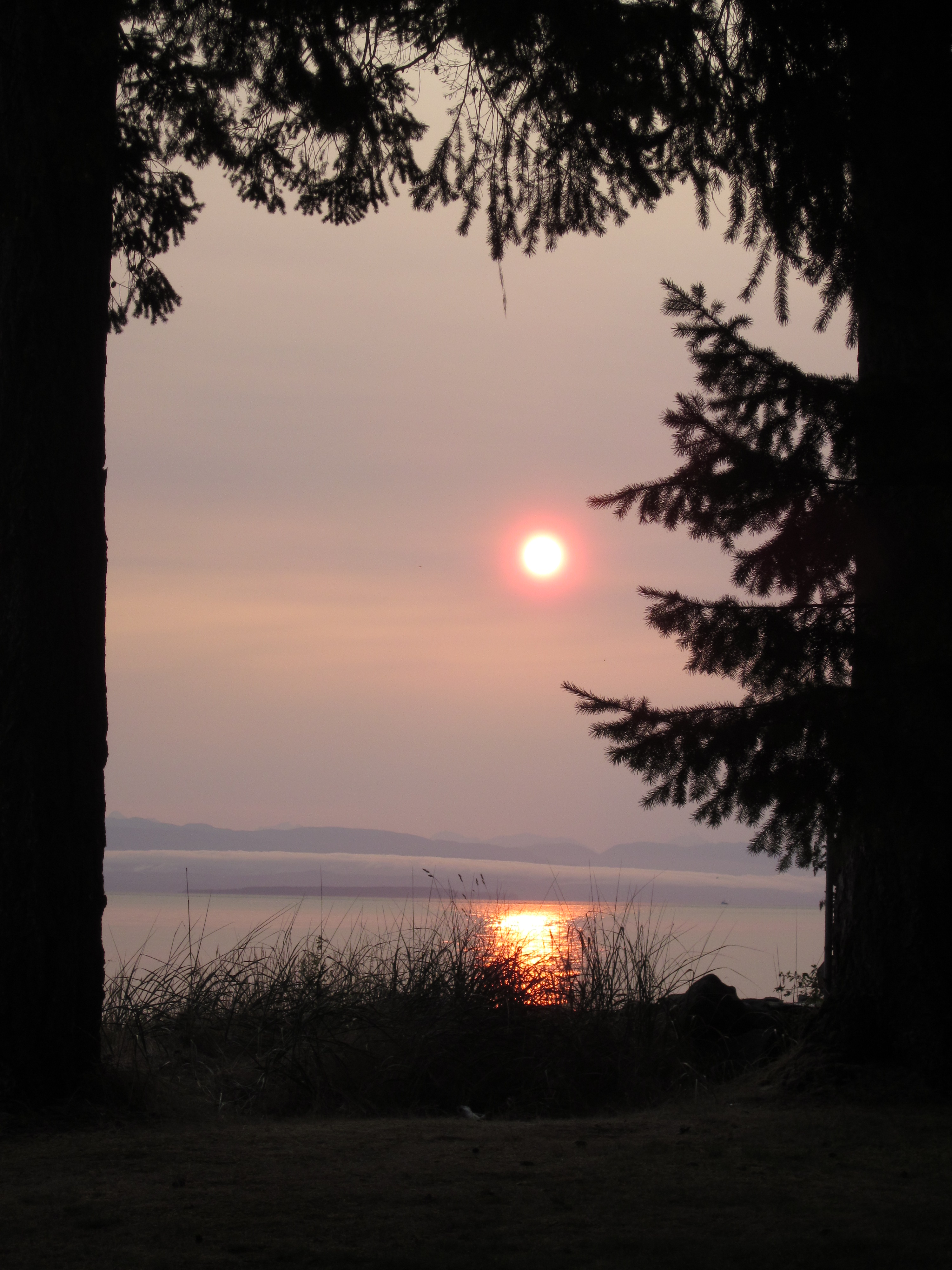
Photograph © 2014 Peggy Kornegger
We humans forget all the time. We forget we are human, and we forget we are spirit. Then we remember. And then we forget again. Then we remember again. And each remembering is a blessing. These are incredible times we are living in. It is a time of remembering. Not long ago in human history, people lived entire lifetimes without realizing that they were really spiritual beings having a human experience. That awareness is now infusing the collective consciousness. We are remembering who we are. It may be happening in fits and starts, but it is happening. The planet is shifting, right before our very eyes.

In being human, we may not consistently live out attributes that we wish to embody: patience, compassion, unconditional love, peacefulness, generosity. We forget. We get angry. We say something thoughtless or unkind. Or we lose touch with others because we are lost in our own pain or sorrow. Yet anger, fear, and sadness are part of the human experience. If we judge ourselves harshly, we are distancing ourselves from the spiritual power of compassion and unconditional love. For self as well as for others.

I am learning, slowly but with increasing awareness, to let go of self-judgment when I lose patience or inner peace. Instead, I center myself in gratitude for having remembered that there is a different way and that I can always begin again with each deep breath, with each moment of conscious awareness. Yes, I want to be open-hearted and joyful, and I am that. But there are also times when I am shut down or sad. Recalling the existence of the full spectrum of human experience shifts the energy for me. Each time I remember is an opportunity to live deeper into my humanity and access the love that is at the core of my being. In the midst of dismay at not always living up to how I wish to be in the world, I am learning to trust in my own evolution and growth within the collective planetary expansion. One by one, we are all opening our hearts to embrace everything in life as both human and divine.

My soul is at peace with whatever occurs. It is here to experience all of life through me. If I see from my soul’s point of view, I trust in the ultimate perfection of all things. I trust in the beauty and love and infinite possibility of each moment. I begin to flow with the rhythm of the expansion and contraction of life. The in-breath and out-breath of the universe, of spirit, which is expressing itself through me, through all of us. We are each musical instruments opening to the wonder and beauty of our own music. When we remember that, life becomes a blessing instead of a disappointment. So when I forget and then I remember, I am grateful. Grateful for the chance to know I am both human and spirit, a physical being and a soul. I am one cell in a universe of evolving cells of light and love. What a tremendous miracle that is.
Only Child, Only Parents

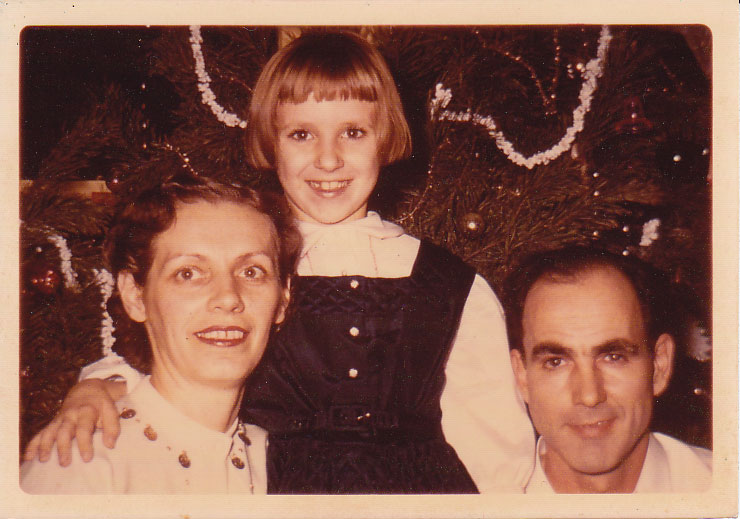
Photograph © Peggy Kornegger
My parents were both born in the month of October. My mother would have been 100 years old this year, my father, 105. I was their only child, born nine years after they met and married, one of the baby-boomer generation. Although they have been gone for a long time (my mother died 19 years ago; my dad, 10), I still miss them. As an only child, I dreaded their deaths, fearing I would lose my mind without them. Of course I did not. In fact, their transitions were profoundly loving and spiritually uplifting experiences, partly because I was able to be with each of them as they passed. Sitting by their sides, I felt connected to them and to the spiritual realm beyond and intersecting this one. That connection was a great comfort to me for months and years afterward.

It was during those years that my spiritual journey and quest for the meaning of life (and death) began in earnest. My exploration was intentionally eclectic, and I worked with many different teachers. Perhaps I inherited that tendency from my parents, both of whom were also eclectic and nonaligned religiously. They were free thinkers who read widely and attended philosophical discussion groups that pondered the mysteries of life. They encouraged me to make my own choices with regard to religion and spirituality. Over and over throughout my life, they gave me that gift of freedom and unconditional, uncritical love in every area. Whatever paths I took (and I took many—personally, politically, spiritually), they loved me without question.

Their love—for me and for life—is what has stayed with me beyond their lifetimes. It is interwoven with all that I am. As I searched for my own “meaning of life,” my evolving beliefs have always been grounded in love, as were theirs. I can still hear my dad reading aloud a poem by William Blake and choking up at the beautiful words: “To see a World in a Grain of Sand/And a Heaven in a Wild Flower/Hold Infinity in the palm of your hand/And Eternity in an hour.” Reading those lines now makes me cry too, recalling that shared moment of love and gratitude for life. It was music that touched my mother’s heart, the voices as well as the lyrics: Italian tenors, Paul Robeson, Willie Nelson, Barbra Streisand, Judy Garland—she loved them all. We used to listen to all kinds of music together (including birdsong), often with tears in our eyes at some particularly moving musical expression. I am so grateful that my parents passed on their emotional openness to me. As my friends and my partner well know, I cry all the time at life’s beauty and poignancy.

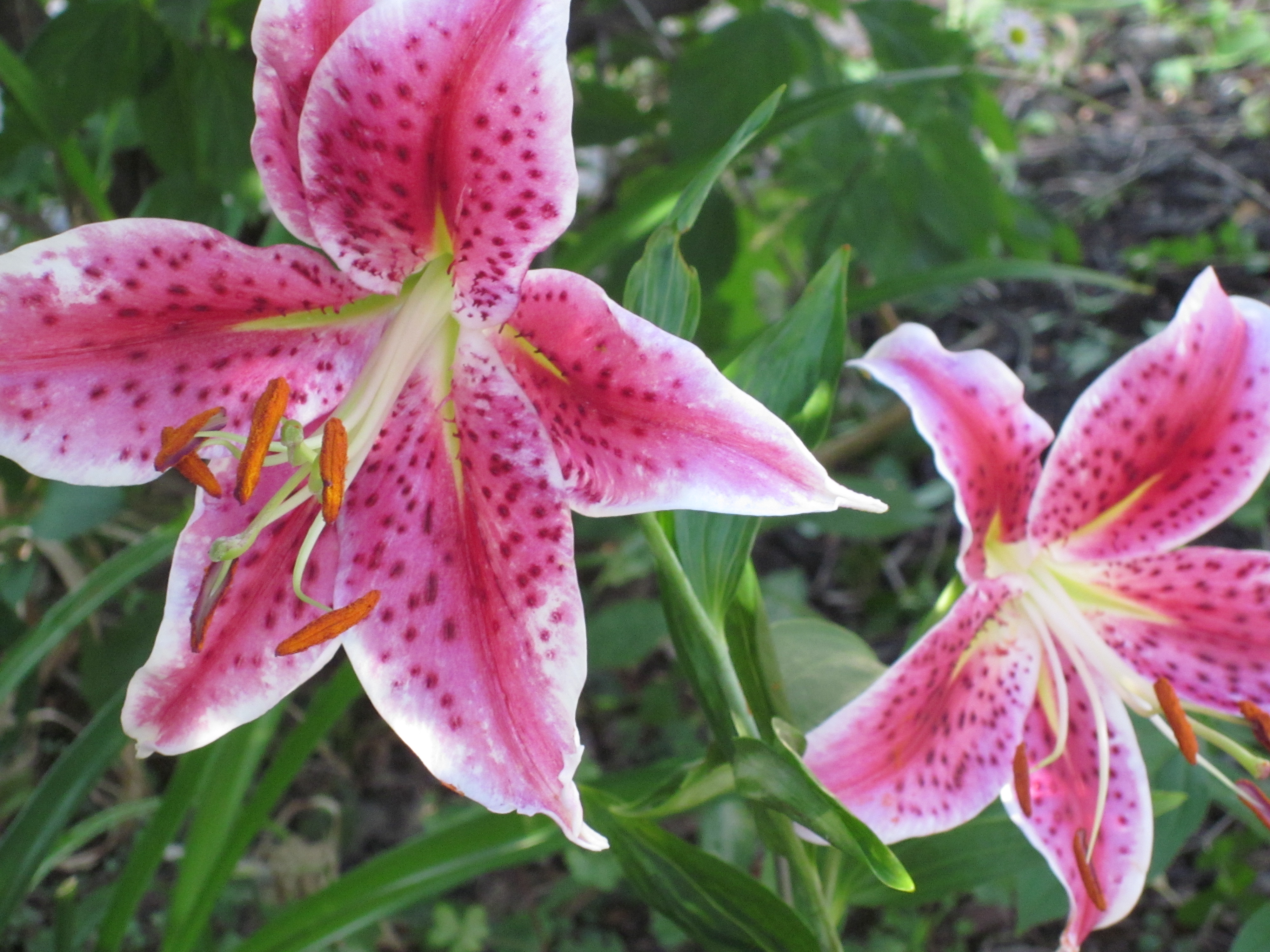
An only child experiences the loss of parents a bit differently because there are no siblings with which to share family memories. No one alive today remembers my parents in all the ways I do. Consequently, I carry their lives within me, where they are present in spite of absence. My backyard flower garden is one of the places I feel them most strongly. They were both gardeners—my dad, vegetables, bushes, and trees; my mother, flowers. I grew up on five acres in rural Illinois, so living with this small piece of nature right outside my door now has been like “coming home” for me—to my childhood home, to myself, and to my parents. Along with so much else, my mother and father gave me a deep appreciation for nature’s miracles. Each time I stand in awe, gazing into the delicate heart of a flower or at a sleeping bee or dancing butterfly, they are with me. They live on within the love in my heart.

Life’s Mystery

Photograph © 2014 Peggy Kornegger

Some Native Americans use the term “The Great Mystery” to refer to the concept of God or Source energy. It’s such a wonderful usage because within it, humans step back and allow the unknown to be just that—unknown. Many religions spell out the specific attributes of God, the heavenly realm, and its relation to living beings on Earth, including sets of rigid moral codes, laws, and commandments. How much more open-ended is the idea of a mystery that we will never understand with the human mind? Our hearts can experience God or the Divine, but we cannot solve the enigma of existence. Perhaps the greatest wisdom lies in acknowledging that and allowing the Mystery to live within and through us without trying to understand it.

To live in alignment with this mystery involves dissolving identification with thoughts and ideas; then awareness flows freely without conceptual distortion. Buddha mind. Baby mind. The innocent eye. At the beginning of life, we see the world this way—pure perception with no distorting language filters. Toward the end of our lives, words and memories may begin to fall away as we prepare to return to the oneness of pure divine consciousness, in which human language plays no part. In the middle years, we struggle to understand the seeming contradictions and unfairness of life—and the inevitability of death.

Not all of us are driven to figure out the meaning of life and death. I am one of those who has always tried to do so, from early childhood on. Only in recent years have I found my spiritual journey less burdened by inquiry and more open to possibility. This past summer, in particular, I began to let go into “not knowing.” This came out of a weeklong program with Panache Desai in which he challenged me to drop my questions and live from a place of experiencing instead of trying to understand everything. For someone who has perpetually had cosmic questions spinning around in her head, this was indeed difficult, even painful. Finally, though, in the weeks after the program, something in me opened to not knowing as the most peaceful way to go through my daily life. Basically, I surrendered to the Mystery.

I have surrendered in the past, of course, but there are layers to letting go, and humans are never finished with it. We have to keep being reminded, again and again: Relax your fingers; stop clutching. Relax the mind; stop questing. The wider, higher perspective opens up when we allow everything to unfold with awe and wonderment instead of “What’s going on? Why is this happening? How can I change it?” The “control” trap keeps us stuck on a hamster wheel of trying/failing/trying again. Ultimately, surrendering to mystery may be the wisest and least painful path to take in life. Human existence can be miraculous or a curse. We can suffer or we can celebrate. Celebration involves embracing everything, the sadness as well as the joy. We don’t know the meaning or the outcome, but we can fully experience every incredible moment of the journey.

Perfect Imperfections

Photograph © 2014 Peggy Kornegger

The idea of perfection is something we all carry around in our heads, applying it to ourselves, our loved ones, strangers, and to every experience in our day-to-day lives. We want to live up to a standard we have set for ourselves—or someone else has set for us. We want others to live up to that same standard, and even more important, we want life to live up to this standard as well. Whatever the standard of perfection is, it involves judgment—and almost inevitably failure, disappointment, frustration, anger. People or events let us down, we disappoint ourselves, and life becomes an experience of disillusionment rather than joy. We have not yet learned to embrace “what is” as the true perfection of life.

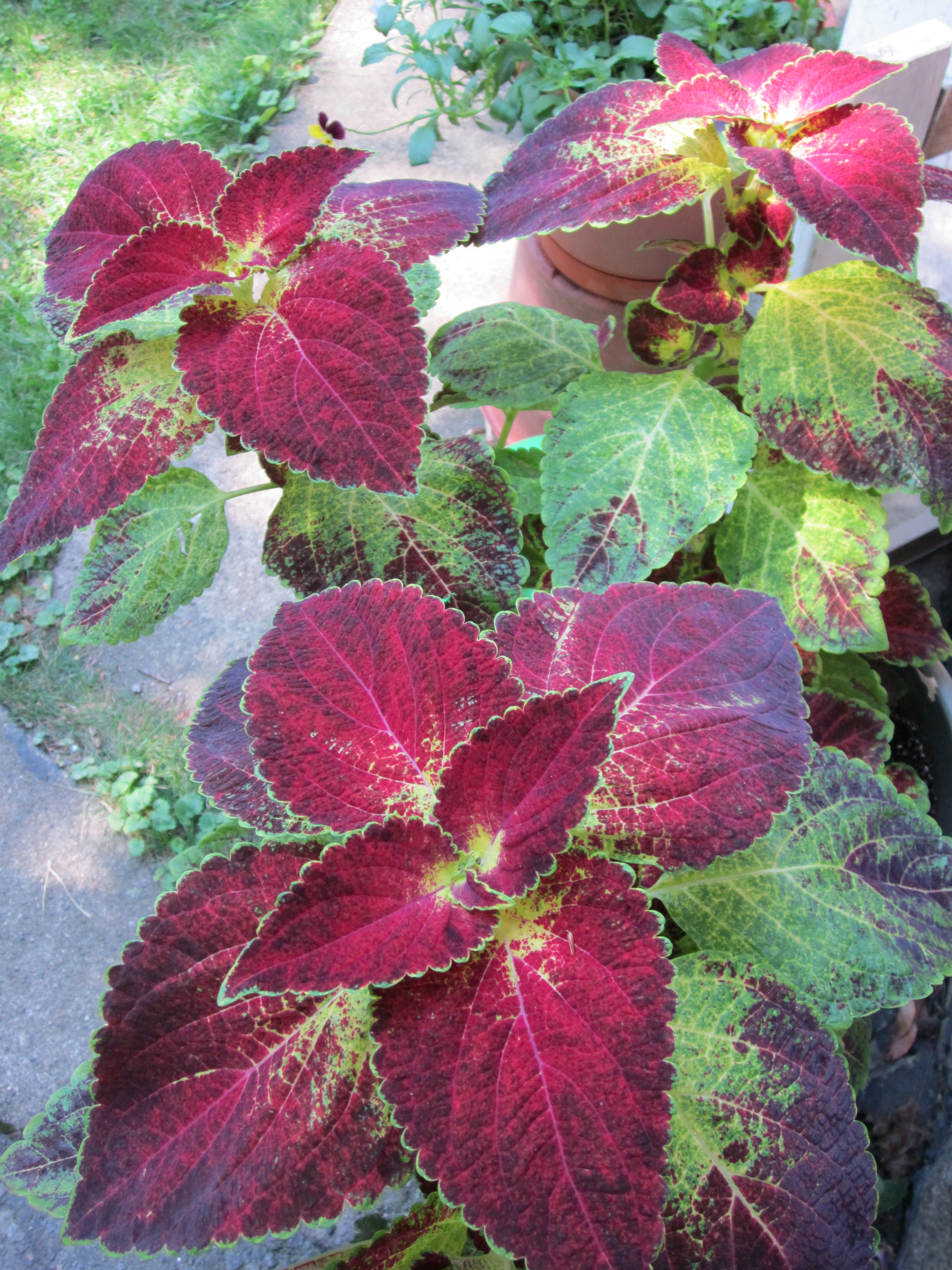
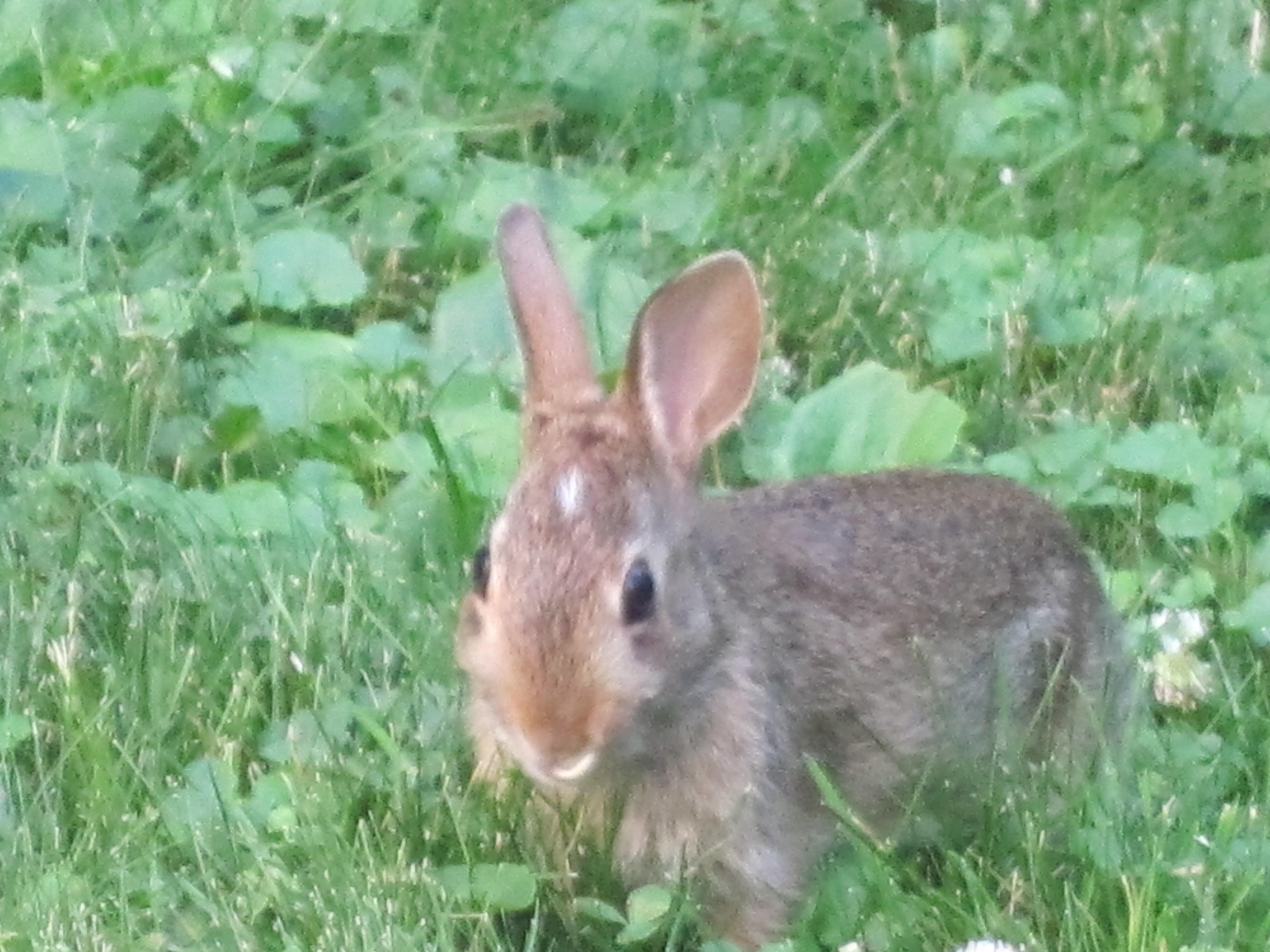
Every day in my backyard flower garden, I learn this lesson over and over again. Reluctantly, and sometimes with great frustration, I am forced to give up my mind’s idea of a perfect garden with every flower and leaf intact: no violet leaves ragged with rabbit bites, no hyacinths bitten off by woodchucks, no potted coleus uprooted by squirrels, no rose buds eaten by worms. Each morning is a practice in letting go into loving what is, in seeing the perfection in everything. I prune dead flowers and chewed leaves, remove worms and aphids, but I also stand back and gaze at the beauty of what continues to bloom and flourish. Nature includes all living things (yes, rabbits too), and my role as a gardener is to find a way to live in balance with that wholeness. The curves and jagged edges; the perfect symmetry of inclusiveness. And after an hour or two in the garden, I am always more at peace, more accepting of all of life because I am surrounded by such incredible beauty. Beauty that is constantly changing, just as life is. Nothing remains the same, and that is the miracle of being alive.

Photograph © 2012 Peggy Kornegger

If God or Source energy is in all things and everything I see is shining with that inner divinity, then “what’s not to love?” as the saying goes. Same with animals, same with people. When I judge myself or others against some mental standard of what I think I or they should live up to, I am not appreciating the absolutely perfect creation that we each are. If I stand in judgment of people, life’s events, or my own “failure” to be as enlightened as I think I should be, then I am missing the miraculously orchestrated unfolding of all things in the universe. Nothing is out of place, and everything is evolving and expanding into more. Flowers, animals, insects, and human beings are all playing their parts. So this is a gentle reminder to celebrate all of life’s perfect imperfections as you go through your day—in the garden, in your home, and out in the world. Heaven is all around you, and everyone you meet is an earth angel—absolutely perfect.

Inconsolable Loss

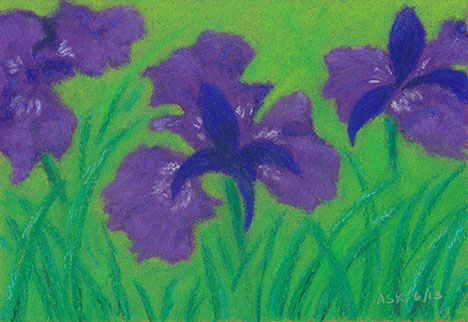
© 2013 Anne S. Katzeff / Artist *
Robin Williams’ death two weeks ago has reminded us all of how devastating deep depression can be and of how thoughts of suicide plague so many individuals. The death of a close friend or loved one—or in this case, a beloved well-known comedian/actor—is never easy, but suicide is particularly difficult to take in and assimilate. I know this firsthand because a dear friend of mine died by his own hand 25 years ago. There is no real consolation for that kind of death. To say that his “time on Earth was complete” sounds hollow and meaningless, even though on one level it may be true. Those left behind are often haunted by feelings of horrified shock, disbelief, and helplessness. In our heartbreak and grief, we feel robbed of years of that person’s living presence in our lives. Such feelings never disappear entirely. We just learn to live with inconsolable loss as part of life.

Robin was a comic genius—unscripted, outrageous, wildly clever and ridiculous at the same time. You couldn’t keep up with his rapid-fire humor: if you laughed out loud, you missed the next hilarious gem. He could take any interviewer’s questions and turn them into a comic riff so packed with spontaneous unrehearsed one-liners that listeners became dizzy from the nonstop barrage of funniness. Robin was the master of on-the-spot improv that took audiences on a rocket ride through his high-speed, ultra-connected mind. Yet, that same mind took him to painful, sad places that he struggled to come back from. Perhaps it was that inner sorrow that informed his deeply moving portrayals of complex characters in films like Dead Poets Society and Good Will Hunting. He was a man of extraordinary, multifaceted talent, loved by millions, yet on the inside, he suffered. The joy he brought to the world was not enough to dissolve his pain.

My friend Michael was multitalented too—an actor, poet, and musician who excelled at all three. He was also one of the funniest people I’ve ever known. From the moment we met, we were instant friends, as if we’d experienced many lifetimes together and were picking up where we left off: “Oh, there you are….” We worked as proofreaders at the same company for seven years, both of us finding ways to express our creativity elsewhere but making our work life an occasion for constant back-and-forth joking all day long. Michael was just so silly and physically funny—like the schoolroom class clown who makes you laugh uncontrollably. Still, like Robin, Michael had his demons, and ultimately they got the best of him. Perhaps his deep sensitivity, which made him such a great actor and poet, also made him especially vulnerable to inner insecurities, fears, and mental anguish. After his death, we all tried to understand why it had come to that, but ultimately, there were no real answers to the questions we asked ourselves over and over.

Both Robin and Michael ended their lives to end the terrible suffering they were experiencing. Sometimes the pain of living is just unbearable. We have all probably felt that to some degree. Life on this planet is filled with reasons to wish you were elsewhere, and there is no safe harbor or respite from the constant turmoil of a changing world. We are all at risk for toxic overload from global events, coupled with personal challenges or tragedies. We feel the tension in our physical bodies and in our psyches. Yet, hope exists. It quietly appears every time we reach out to a friend or stranger in distress. It becomes stronger when we hold hands and hearts in our families, in our communities, and around the world. In time, perhaps the love we share will shift the balance, and those tottering on the edge will be able to step away from the precipice and return to the center of life. May we all find comfort, compassion, and loving connection in our lives. And may Robin’s and Michael’s sweet souls rest in peace.

*The flower iris is named for the Greek goddess Iris, who was seen as a link between heaven and earth.