Butterfly Effects

Photograph © 2017 Peggy Kornegger

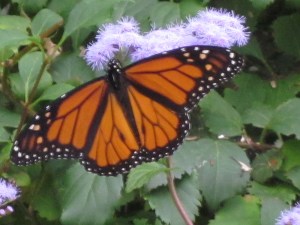
The aptly named “butterfly effect” has become well known in recent years as people begin to take seriously the interconnectedness of all life on our planet, as well as the nature of energy itself. The name refers to the possibility that the movement of a butterfly’s wings affects the world around it in unforeseen ways. The greater truth of this idea resonates within my own life again and again, often quite literally.

Several weeks ago, I reread Sharon Salzberg’s book Faith, published in 2002. I had read it then, but I was moved to take it off the shelf again because its title called to me strongly. As my spiritual journey has deepened, I have found myself repeatedly stepping off the edge of certainty (or the illusion of it) into the unknown. Over the past two months, everything seemed to fall away until I realized that I was being asked to move forward completely on “faith.” Thus my reason for rereading Sharon’s book. With each chapter, I saw how much more deeply I connected with it than I had 15 years before.

Faith in essence enables us to live without certainty. Which, ultimately, we are all called to do in life, however we may resist it by building an iron-clad belief system or distracting ourselves with what we think are facts. In their wisdom, Native Americans called life “the Great Mystery.” Over the preceding weeks, I had found myself spiraling at the center of that mystery. I kept moving forward inch by inch until finally a wider perspective presented itself in the one word faith. I understood that I may never know with my mind, but I will always know with my soul. And it was my soul that guided me to Sharon’s book.
Photograph © 2017 Peggy Kornegger

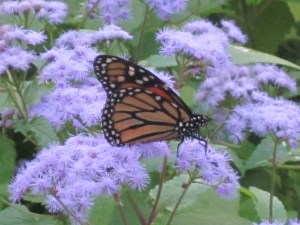
I decided to read the last few chapters of Faith sitting out in my backyard. When I walked out the door, book in hand, the first thing I saw was a monarch butterfly flying from flower to flower in my garden, my first sighting of the year. Monarchs have become less frequent visitors lately as their numbers diminish because of destruction of their habitat. However, its very presence, its brilliantly colored radiance, attested to the miracle of its survival in spite of all odds. My heart skipped a beat when it lifted its wings and soared right over my head and then circled back to land on another flower. Sheer magic.

After a time of just standing and watching the monarch in wonder, I settled into a lawn chair to read nearby. For more than two hours, it visited flower after flower. Periodically I looked up and gazed at its delicate beauty. As I read the last page, I could feel faith in the unseen divinity that is at the core of all life flood my soul with love and awareness. My small butterfly visitor embodied that blessing. It had come to renew my faith as it lifted its wings and my heart simultaneously. And this is also part of the butterfly effect: The butterfly’s divine life force and magical beauty moves our hearts into alignment with the grace of God’s presence, where faith resides, always. From that place, we too can share our own beautiful life force with others and lift their hearts.

 

Flower Child

Photograph © Peggy Kornegger

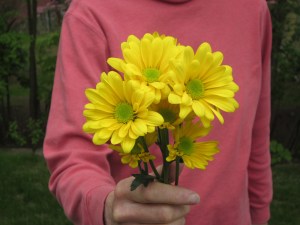
I went to San Francisco. And yes, I wore flowers in my hair. I was one of those young beaded, bell-bottomed kids who moved to California in the late 1960s, drawn by the irresistible call for “Love, Peace, and Flower Power.” 2017 marks the fiftieth anniversary of the famous San Francisco “Summer of Love.” Hard to believe that that much time has passed. In some ways, I still feel the same inside as I did when I left the Midwest for California, suitcase packed with utopian dreams. I still have those dreams. And I’m still a flower child at heart.

During 1967’s Summer of Love, it didn’t really matter where you were—that powerful energetic vibration affected you. In Michigan, I was preparing to leave for six months studying in France, but San Francisco was where I longed to be. All summer, I stayed up late into the night painting psychedelic posters and listening to Dylan, Donovan, and the Beatles. My longing continued right through the fall and spring at school in Europe (a French version of Scott McKenzie’s song about San Francisco seemed to be playing everywhere). Finally I reached the promised land in 1968. Was it all I hoped it would be? Yes, and more. It wasn’t exactly utopia, but it was a beginning. It brought me new adventures, new friends, and inner transformation, and that was just what I wanted.

Photograph © Peggy Kornegger

The key component was the Dream. All of us who headed west in those years were dreamers, free spirits awakening to a global movement for universal love, peace, freedom, and radical change that is still streaming live through this world today. California was/is a state of mind, the psychic birthplace of possibility, of expansion outward beyond limitation. I was one of so many who undertook that journey. Some lost their way, but others, like me, are still journeying, still choosing love over fear every day of our lives.

California has felt like “home” to me for most of my adult life. Even though I grew up in Illinois, it is on my return trips to California that I begin to cry when I look down from the plane and see the landscape and ocean beneath me. I loved my years there. It was a time of transition, from small-town girl to flower child/activist in the larger world. I was a beginner, innocent in many ways, learning about life, love, poetry, politics—and figuring out who I was within all those frameworks. Of course, like others of my generation, I never wanted to be just one thing, live just one place, so after a few years on the West Coast in the late 1960s and earlier 1970s, I moved to the East Coast for graduate school. San Francisco called me back once again for several years after that, but then I returned to Boston. Since then, I visit California; I don’t live there physically.

Still, my soul is somehow timelessly connected to California. Perhaps I lived there in a past life, in addition to those key years in the 60s and 70s. Now, when I return, I stand looking out at the Pacific Ocean, and my mind quiets, my spirit rests. My heart recognizes “home.” The home that transcends time and place and links up with something intangible in the universe, in myself. The home that I found among those sweet youthful souls with visions of a better world. I will always be one of them.


Spirit of the Garden

Photograph © 2015 Peggy Kornegger

In my flower garden, I encounter all of life on a daily basis. I am also continually given opportunities to practice classic spiritual principles: Be in present-moment awareness. Accept what is. Let go of all attachments to a particular outcome. Each one is perfectly applicable to both gardening and living. Nature doesn’t play by human rules or expectations. Nature just is. Entering the natural world that surrounds us brings us home to a part of ourselves that often gets lost in the clock-centered busyness of daily life.

When I walk through my back door in the early morning stillness, I am met with a presence that I would call sacred. Neighbors still asleep, traffic sounds distant and minimal. I am alone with the beauty of the green and growing Earth, my eyes clear and open to all that is before me: nature in living color and infinite variety. Immediately I am completely engaged and present. Thinking has faded to the background, and I am just being. When I look at each blooming lily or rose, there is no separation. The flowers and I are one in the spirit of life that flows through us. Standing beneath a towering maple tree, I am drawn into the silence that holds both of us in timeless being. I AM. The tree IS. We are both part of a consciousness that links every living thing on Earth and in the cosmos. Each morning becomes a meditation in slow motion that centers me in the now and eases me into my day.

The actual work of gardening—seeding, planting, weeding, pruning—is another practice that both engages me and teaches me acceptance of all that is. The past winter’s cold has killed my butterfly bush as well as several other perennials. My native honeysuckle, covered with bright red blossoms, has aphids that are eating the new buds. Finding replacement plants and removing insects and dead leaves are all part of gardening. Within that process of letting go of the old and welcoming the new, I surrender to the flow of life, with both sadness and celebration. The garden teaches me to hold it all in my heart without judgment or distress. Every day is a new opportunity to embrace each event in my life and in my garden. When I have sudden unexpected expenses or a painful migraine headache, I am reminded that living includes these challenges as well as the joys of laughing with friends, listening to music, or watching a glorious red sunset after a dramatic thunderstorm. To be human is to encounter all parts of the experiential spectrum.

Gardening immerses me in nature, but it also aligns me with divine presence. My soul is with me in the garden. In truth, my soul is with me everywhere. And it is being in presence within my garden that teaches me this. There is nowhere and nothing that is not filled with spirit, that is not God experiencing life on Earth in a multitude of forms and expressions, including human. We are so much more than we think we are, and it is only in not thinking but just being present that we experience that expansive awareness. Heaven is here on Earth, and when we realize that, we see paradise everywhere we go.


Spring Forward: Defrosting in Boston

Photograph © 2015 Peggy Kornegger

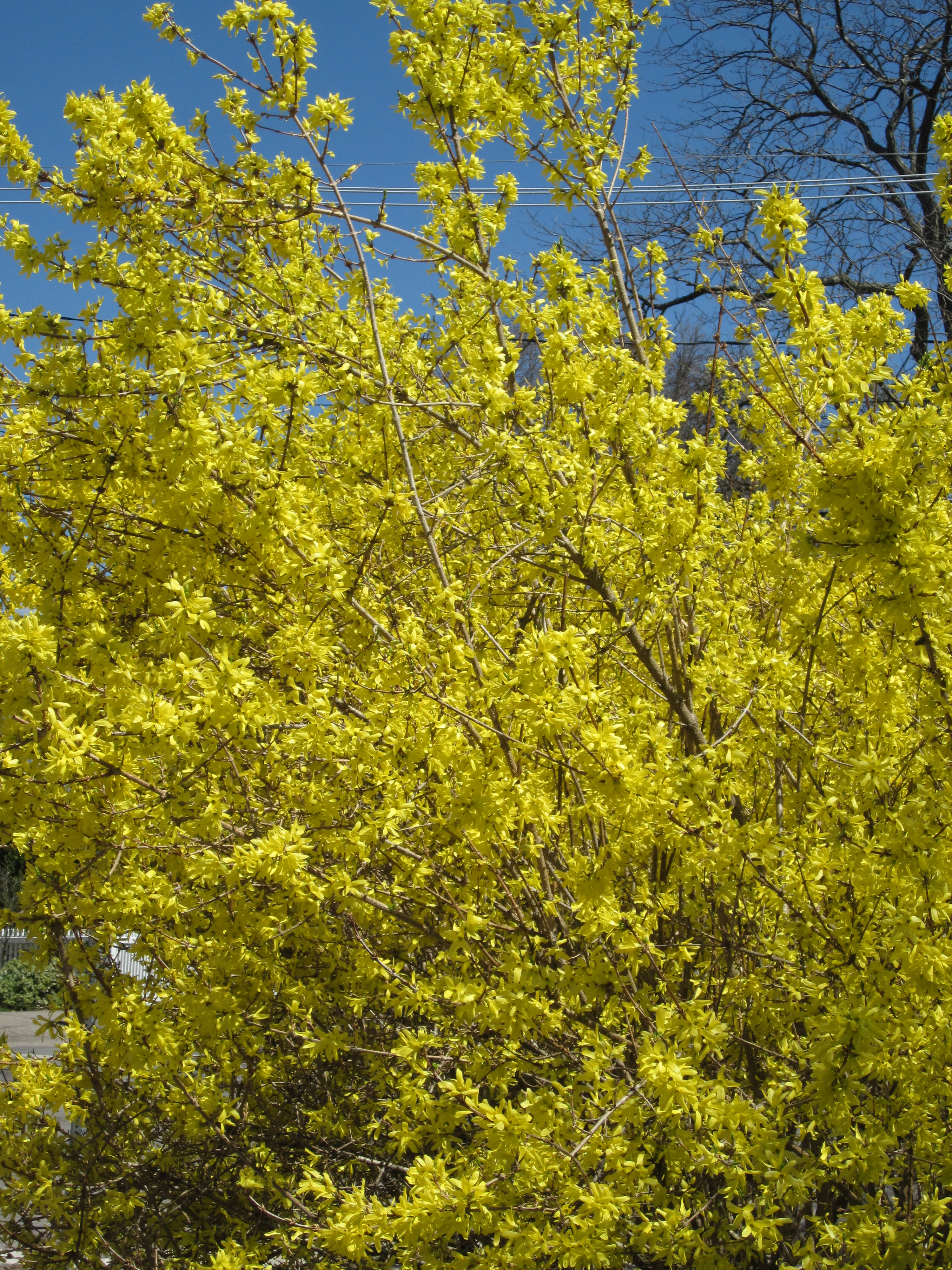
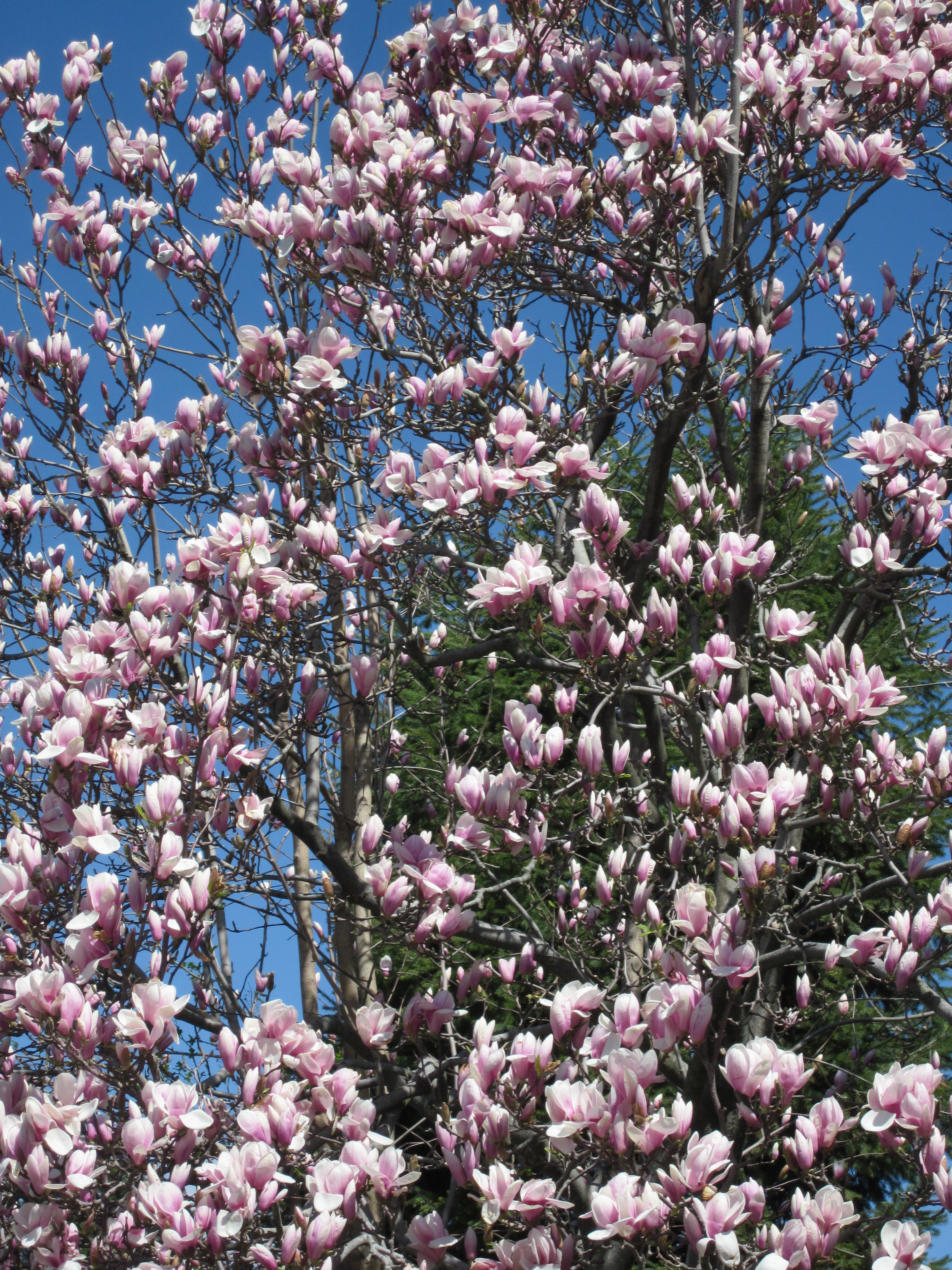
Spring is officially here, but in the Boston area, we are still defrosting. After a record-breaking winter of more than nine feet of snow (most within a month’s time), coupled with bone-chilling temperatures, we can hardly believe that the frozen tundra outside our doors has finally disappeared. This winter has been a lesson in accepting everything, especially Mother Nature’s unpredictable extremes. Again and again in life, we are called to navigate unexpected blizzards and ice storms—inner and outer, human and environmental. The seasonal weather variations teach us to let go of expectation and just live with what is. If we struggle, we suffer. If we learn to face each moment with acceptance, we can live in peace and equanimity.

In addition, each season serves a purpose. In winter, the weather can shut everything down, and we are often forced to stay inside. Sometimes inactivity, the restorative pause, is necessary. In fact, it always is. (Animals hibernate; perennials die to the ground.) It doesn’t always feel good or “right” to us. We think we should be doing something, anything, to move forward, progress. Yet non-doing is crucial to nature’s, and our, cycles of life. The slowing down and dying away in autumn and winter allow for the rebirth and resurgence in spring. In the midst of the expansiveness and warmth of summer, we forget that those days of growth and flowering occur because of the days of rest and restoration that winter insists all living beings observe.

That includes humans. Within the stillness and solitude of a heavy all-day snowfall, with work cancelled, we can find a kind of inner peace as we gaze at the falling snow from our windows. Later, of course, we have to shovel that snow! But afterward we can drink hot chocolate and rest again for a while. Winter moderates our activities for us. If we resent the orchestration, we spend the winter angry and cold. If we allow for nature’s wild variations and interruptions, we are less stressed and can look forward to spring with a rested outlook.

Photograph © 2015 Peggy Kornegger

This past winter has been a real challenge for me. My soul knows the wisdom of cycles of rest and renewal, but my mind forgets at times during the seemingly endless months of icy cold and early darkness. As the days gradually lengthen and the light fills my consciousness each morning, I feel my physical body reaching out to spring, yearning for warm air, green trees, and blooming flowers. And when they finally appear, I am filled with such intense gratitude—especially this year! The colors seem extraordinarily vibrant, almost unreal, after so many days of winter grays and whites. Perhaps this is another gift that the change of seasons brings: deep appreciation for the beauty of rebirth in nature.

We live on a planet of polarities. Even the warmer climates have their own seasonal changes. When I lived in California, winter brought weeks of rain. Now, of course, the people there are living with a severe drought. The extremes of life on Earth are part of the experience of being alive. We came here for this roller coaster ride. If everything were always the same, we would not be stimulated to grow and evolve as human be-ings–or to dig deep and find the blessing and miracle in every single remarkable moment we are alive.


Perfect Imperfections

Photograph © 2014 Peggy Kornegger

The idea of perfection is something we all carry around in our heads, applying it to ourselves, our loved ones, strangers, and to every experience in our day-to-day lives. We want to live up to a standard we have set for ourselves—or someone else has set for us. We want others to live up to that same standard, and even more important, we want life to live up to this standard as well. Whatever the standard of perfection is, it involves judgment—and almost inevitably failure, disappointment, frustration, anger. People or events let us down, we disappoint ourselves, and life becomes an experience of disillusionment rather than joy. We have not yet learned to embrace “what is” as the true perfection of life.

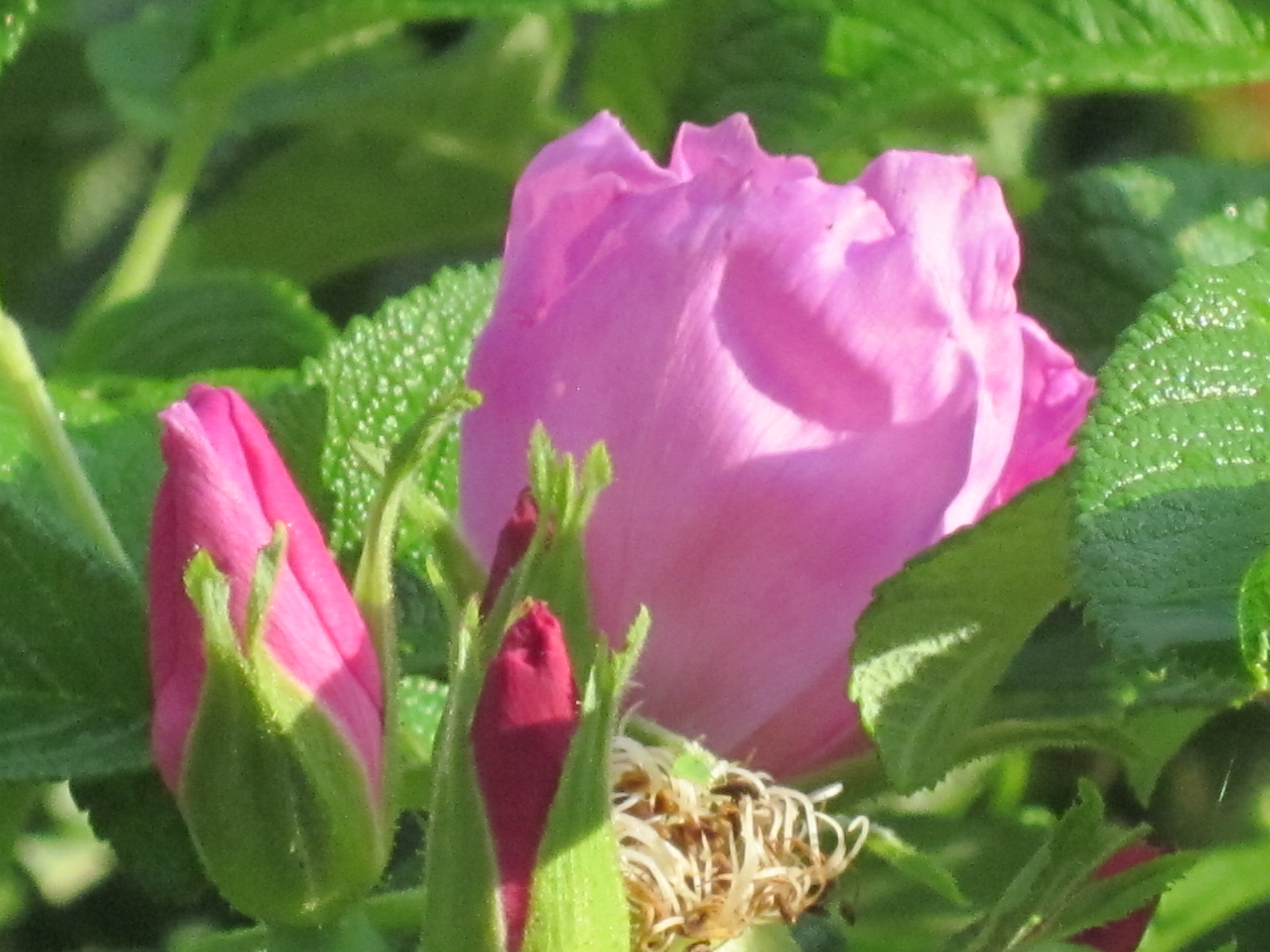
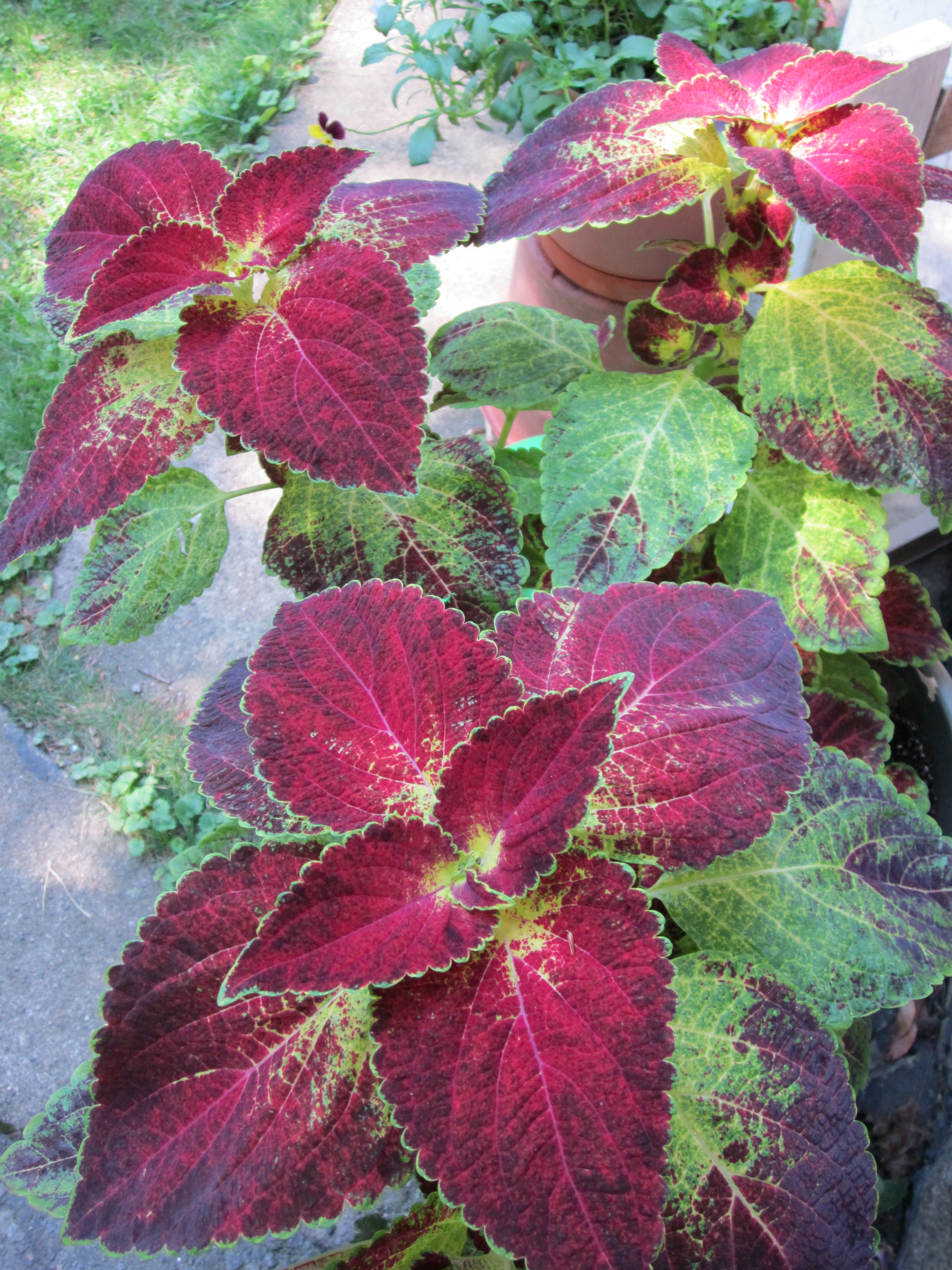
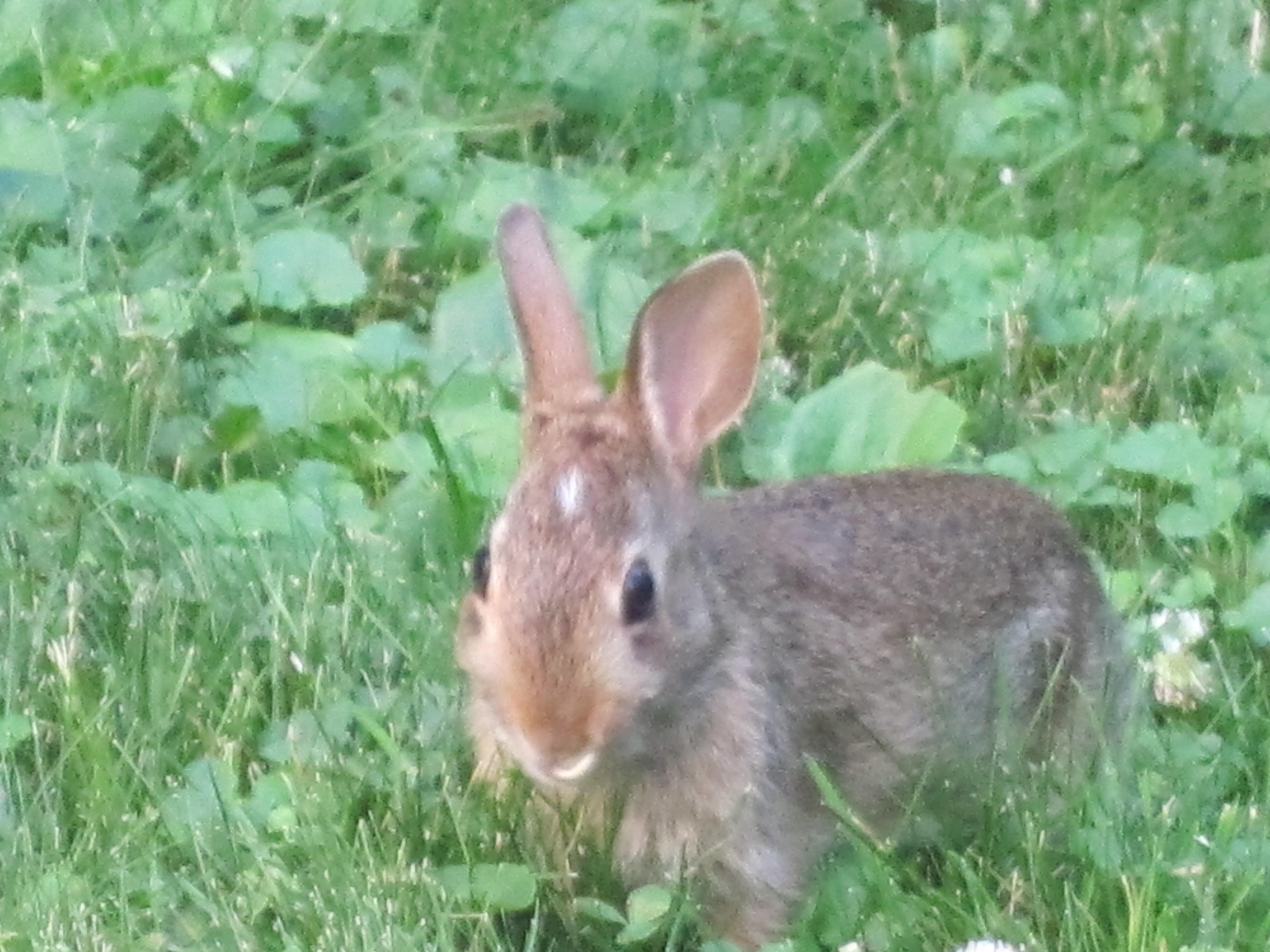
Every day in my backyard flower garden, I learn this lesson over and over again. Reluctantly, and sometimes with great frustration, I am forced to give up my mind’s idea of a perfect garden with every flower and leaf intact: no violet leaves ragged with rabbit bites, no hyacinths bitten off by woodchucks, no potted coleus uprooted by squirrels, no rose buds eaten by worms. Each morning is a practice in letting go into loving what is, in seeing the perfection in everything. I prune dead flowers and chewed leaves, remove worms and aphids, but I also stand back and gaze at the beauty of what continues to bloom and flourish. Nature includes all living things (yes, rabbits too), and my role as a gardener is to find a way to live in balance with that wholeness. The curves and jagged edges; the perfect symmetry of inclusiveness. And after an hour or two in the garden, I am always more at peace, more accepting of all of life because I am surrounded by such incredible beauty. Beauty that is constantly changing, just as life is. Nothing remains the same, and that is the miracle of being alive.

Photograph © 2012 Peggy Kornegger

If God or Source energy is in all things and everything I see is shining with that inner divinity, then “what’s not to love?” as the saying goes. Same with animals, same with people. When I judge myself or others against some mental standard of what I think I or they should live up to, I am not appreciating the absolutely perfect creation that we each are. If I stand in judgment of people, life’s events, or my own “failure” to be as enlightened as I think I should be, then I am missing the miraculously orchestrated unfolding of all things in the universe. Nothing is out of place, and everything is evolving and expanding into more. Flowers, animals, insects, and human beings are all playing their parts. So this is a gentle reminder to celebrate all of life’s perfect imperfections as you go through your day—in the garden, in your home, and out in the world. Heaven is all around you, and everyone you meet is an earth angel—absolutely perfect.