Racing Mind, Resting Heart

Photograph © 2015 Peggy Kornegger

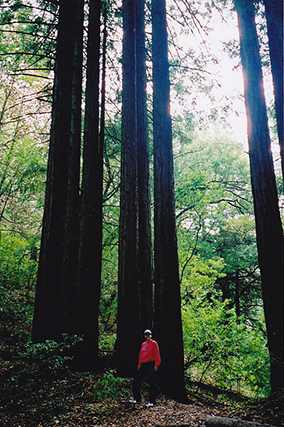
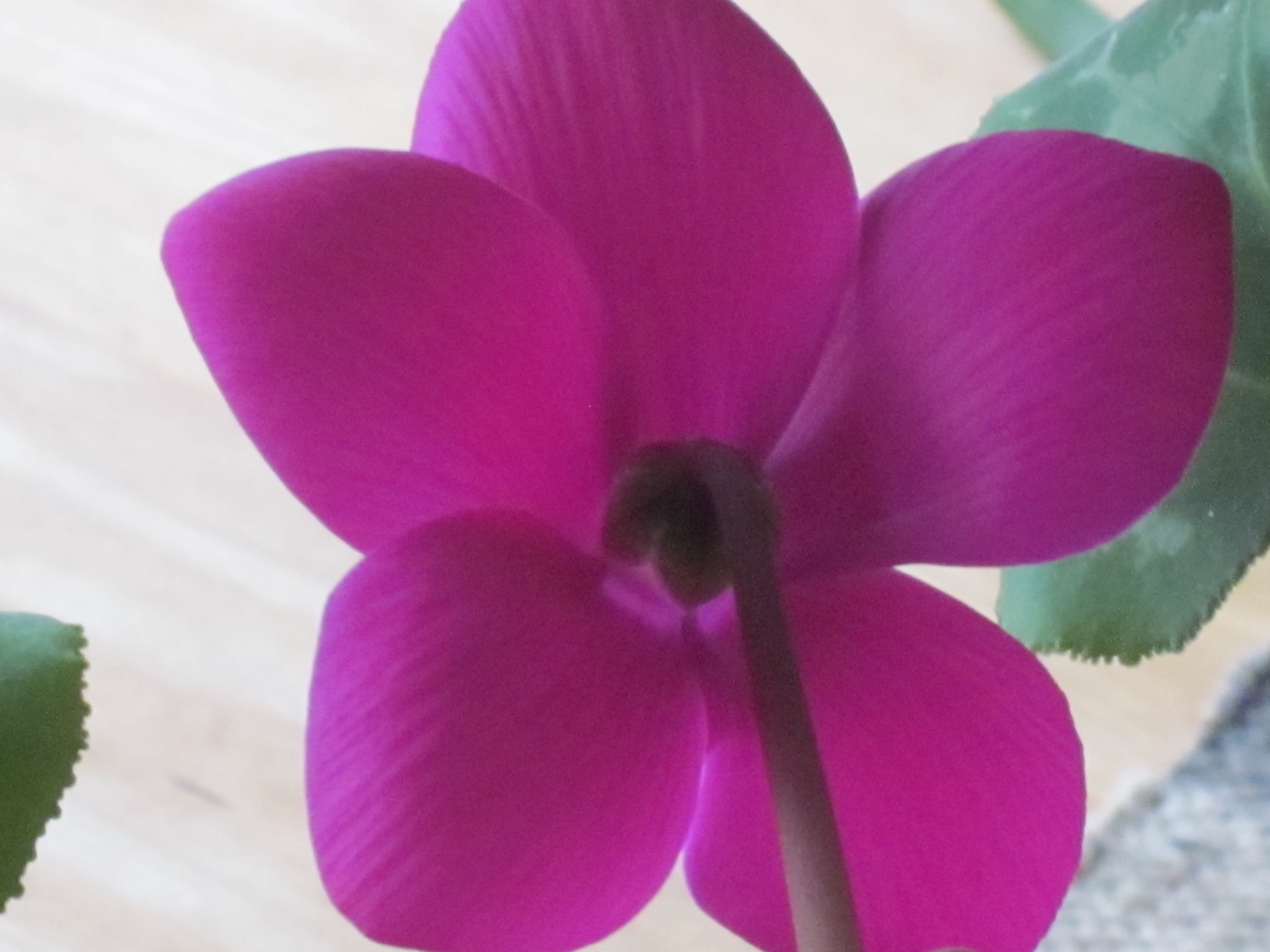
So often in our busy lives, we are running from one activity to the next, checking off items on our to-do lists as we go. We can barely keep up with the thoughts that are racing through our overactive thinking minds. But those thoughts are endless; they will run our lives—literally—if we let them. The space that holds those thoughts, however, is open and nonattached (from a Buddhist perspective). If we allow these thoughts, and the inclination to fill our lives with constant busyness, to pass quietly through without grasping and holding them, we can access an entirely different way of being in the world. Spaciousness. Stillness. The resting heart.

The heart is the center of our feelings of love and peace. It also is connected to our soul, which is connected to Spirit. The soul is always at rest, always peaceful in its eternal divine presence within us. When the heart opens completely, the soul’s peace fills it, and it rests. When we drop down into the heart and allow ourselves to open to soulful connection, we too are at rest. The mind’s frantic, repetitive concerns fade to the background, and we can move through the day more peacefully, taking care of what needs to be taken care of but not spinning our mental wheels needlessly. The mind has an important function; it helps us to navigate the logistics of life. But its inclination to overdrive needs balancing by our softer, slower heart and soul.

Modern life, and its adjunct the racing mind, urges us to run. Our heart quietly suggests resting. “Here you will find peace, quiet, home,” it whispers. We can barely hear that whisper at times, but it is there. The key is to attune ourselves to the subtle voice of Spirit that lives within us. Therein lies the higher wisdom and the path to a balanced, fulfilled life—even in the midst of the external world’s frenetic, pressing concerns and demands. The inner voice is so much stronger, ultimately, than the outer shouting that tries to drown it out. It will carry you through life with your health and peaceful center intact. The resting heart soothes the racing mind and helps it to slow down and walk quietly.

Each day is an opportunity to balance head and heart in our lives. They both can live compatibly together if we remember to take a deep breath, pause, and let the mind take its cue from the heart. In my own life, my busy mind is gradually learning to rest in the spaciousness and peace of my heart. And it’s always the process of slowing down, relaxing, and breathing deeply that allows them to come into harmony. It becomes a real-world meditation that interrupts the nonstop frantic pace of daily life and brings me back to center.
 

Perfect Imperfections

Photograph © 2014 Peggy Kornegger

The idea of perfection is something we all carry around in our heads, applying it to ourselves, our loved ones, strangers, and to every experience in our day-to-day lives. We want to live up to a standard we have set for ourselves—or someone else has set for us. We want others to live up to that same standard, and even more important, we want life to live up to this standard as well. Whatever the standard of perfection is, it involves judgment—and almost inevitably failure, disappointment, frustration, anger. People or events let us down, we disappoint ourselves, and life becomes an experience of disillusionment rather than joy. We have not yet learned to embrace “what is” as the true perfection of life.

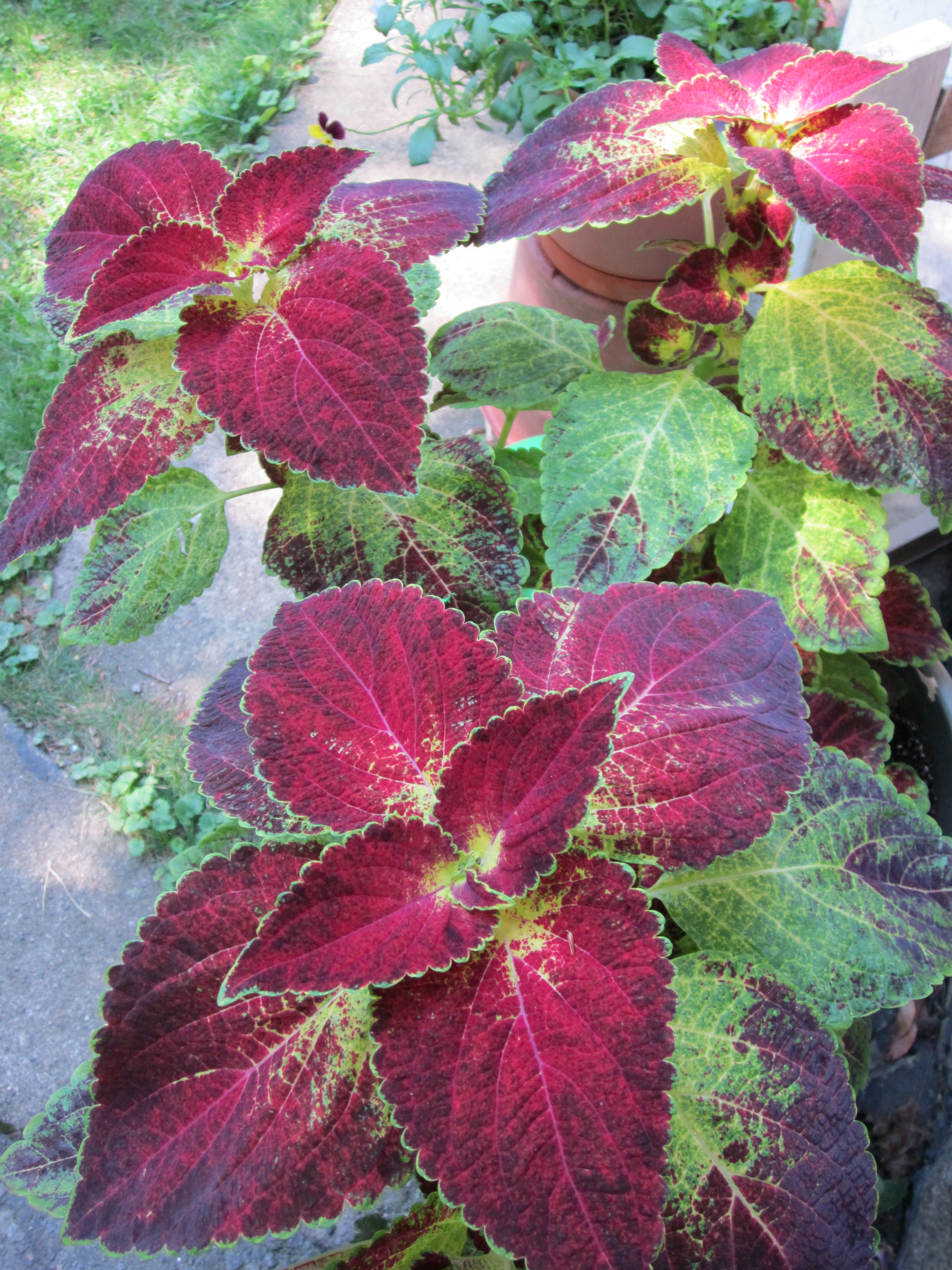
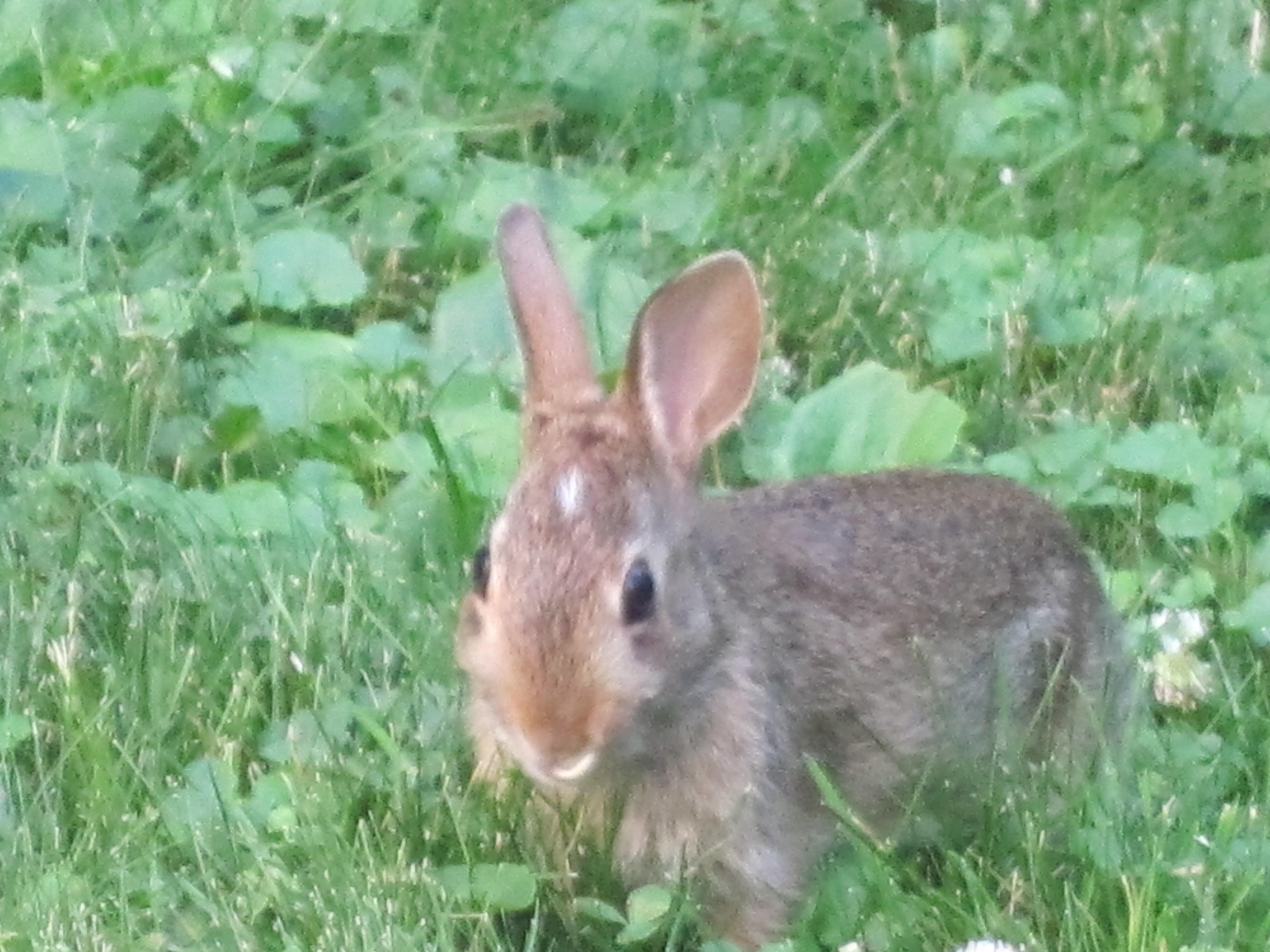
Every day in my backyard flower garden, I learn this lesson over and over again. Reluctantly, and sometimes with great frustration, I am forced to give up my mind’s idea of a perfect garden with every flower and leaf intact: no violet leaves ragged with rabbit bites, no hyacinths bitten off by woodchucks, no potted coleus uprooted by squirrels, no rose buds eaten by worms. Each morning is a practice in letting go into loving what is, in seeing the perfection in everything. I prune dead flowers and chewed leaves, remove worms and aphids, but I also stand back and gaze at the beauty of what continues to bloom and flourish. Nature includes all living things (yes, rabbits too), and my role as a gardener is to find a way to live in balance with that wholeness. The curves and jagged edges; the perfect symmetry of inclusiveness. And after an hour or two in the garden, I am always more at peace, more accepting of all of life because I am surrounded by such incredible beauty. Beauty that is constantly changing, just as life is. Nothing remains the same, and that is the miracle of being alive.

Photograph © 2012 Peggy Kornegger

If God or Source energy is in all things and everything I see is shining with that inner divinity, then “what’s not to love?” as the saying goes. Same with animals, same with people. When I judge myself or others against some mental standard of what I think I or they should live up to, I am not appreciating the absolutely perfect creation that we each are. If I stand in judgment of people, life’s events, or my own “failure” to be as enlightened as I think I should be, then I am missing the miraculously orchestrated unfolding of all things in the universe. Nothing is out of place, and everything is evolving and expanding into more. Flowers, animals, insects, and human beings are all playing their parts. So this is a gentle reminder to celebrate all of life’s perfect imperfections as you go through your day—in the garden, in your home, and out in the world. Heaven is all around you, and everyone you meet is an earth angel—absolutely perfect.

Present-Time Paradise

Photograph © 2012 Peggy Kornegger
Years ago, Stevie Wonder wrote a song called “Pastime Paradise,” which described people who lived their lives glorifying the past or longing for a different future. We all have that tendency because our society fosters dissatisfaction and discontent. The advertising industry feeds on it, as do our social and political institutions. Yet, the quieter voices that whisper “live in the moment” and “count your blessings” are growing stronger and more widespread. If we shift our focus to the present and look at what we do have instead of what we don’t, life is suddenly full and abundant beyond measure.

Personally, I have no doubt that I live in paradise. I love my life. My partner and I live in an apartment in a two-family home with a yard, front and back. Our small-town neighborhood is friendly and quiet. We like our neighbors, and our landlord is kind and responsive. I have freedom to grow flowers, plants, and bushes in the yard, and this is my greatest joy. I spend hours in my garden every day, sometimes working, sometimes just drinking in the colors and light. Hummingbirds visit the red tubular flowers of the native honeysuckle, goldfinches cluster about the hanging thistle feeder, and butterflies and bees fill the air around the large purple flowers of the butterfly bush. What more could one ask of life than moments like these?

Don’t get me wrong. I have experienced my share of life’s heartaches too—the death of loved ones, the end of relationships, loss of jobs, physical pain, etc. But all of it has been part of life and has brought me to where I am today. If I step back and look at my life as a whole, the miracles outnumber the tragedies, and even the tragedies had hidden miracles within them. Events that I feared all my life such as my parents’ deaths ended up being extraordinary spiritual experiences because I was fully present with them as they transitioned. Losing my job late in my editorial career allowed me to step into the freelance world for a couple of years and then gradually move into full retirement. I now have the time and freedom to write and garden whenever I want instead of squeezing it in on the side.

What I have discovered is that paradise is a state of presence, not an aspiration. I truly believe that I came to this planet to have all the experiences I could possibly pack in and that each one allows me to expand more and more as both a spiritual and a human being. Everything that has occurred has enabled me to become more fully myself, my soul self. And I am grateful for every single bit of it, the tears as well as the laughter. It’s a miracle to just be alive. Really. Look at your physical body—how did that happen? You can’t help but be in awe of the infinite complexity of the tiniest aspect of every part of life. Or at least I am. And I think that’s where we’re all heading. Collectively, we are shifting from suffering to celebration, from dismay to full-hearted appreciation for the gifts each day brings. Paradise is with us, within us—now. It really is.

Standing with the Trees

Photograph © 2006 Peggy Kornegger

A few weeks ago, millions of Turkish citizens took to the streets in massive demonstrations throughout the country, protesting an increasingly authoritarian government. The event that triggered public outrage: police use of violence against activists who were sitting in trees in Istanbul’s Gezi Park to prevent their being cut down. Government plans to demolish both the trees and the park—in addition to turning nearby Taksim Square into a shopping mall—pushed people to the breaking point. The trees are some of the only ones remaining in the city, and the square is one of the last places for public gatherings.

Many other issues have been on the rise in Turkey, but it was the threat of forced separation from nature and from one another that was the people’s “last straw.” Trees have once again become a symbolic focal point in human awareness. The crowds gathered in Gezi Park and Taksim Square were standing up, not for an abstract environmental cause, but for the quality of their own daily lives. For the right to see green trees outside their door, for the right to meet with their neighbors in a public space not based in consumerism. Those who joined them in the streets throughout Turkey acted with deep human empathy both for their cause and for the physical suffering they endured. These protests continue.

Nearly 16 years ago, Julia Hill Butterfly took a similar stand—and endured helicopter harassment and repeated attempts to break her resolve—when she lived for two years in a 1500-year-old California redwood to prevent it being killed by a lumber company that was clear-cutting the redwood trees. Julia’s selfless actions have influenced countless others, including those who may not even know her name.

These courageous individuals were standing in the deeper truth of their oneness with all living beings, with all life. They were surrendering to a greater Spirit, or Intelligence, within them, which moved them beyond reason, beyond even personal safety, to live their lives fully aligned with the source of life itself. Nothing else mattered. They were not thinking; they were acting from their hearts. And this is the energy that is rising more and more powerfully in the world, infusing us with hope and possibility.

In many spiritual traditions, the tree of life symbolizes the entire cosmos and our place in it. The Maya of Guatemala consider the ceiba tree sacred, and the day Aaj in the Maya calendar stands for trees and abundance. On this day, the Maya pray for harmony and for the resurgence of nature. Their prayers, from their hearts, connect to each action, each word spoken, in their daily lives. We are being called to live similarly now, aligning our heart’s truth with how we are present in the world moment to moment. We each have countless opportunities to be in harmony with something greater than our own individual lives. Can we humans at long last stand within the circle of life instead of outside it?

Julia Hill Butterfly and the people of Turkey inspire me to believe that it is possible. And the trees themselves inspire me. Each day when I look out the window at the tall maple trees in my back yard, I am filled with reassurance that life continues, that just as the trees stand strong and tall, while at the same time bending with the winds of change, we too can do the same.

Sacred Circle of Love

Photograph © 2013 Peggy Kornegger

Are our ideas about love evolving right along with us? Yes, I believe they are. Today, in our seemingly chaotic world, beneath the surface of visible turmoil and divisiveness, there exists a gradual, almost imperceptible shift in the way we think about love. We are seeing an expansion from clannish familial love and romantic love based on physical appearance/attraction to a more inclusive universal love that encompasses all beings. In the past, this universal love has often been linked to the Divine love associated with a God or Goddess. In various spiritual or religious traditions, the Divine Mother is the primary image of unconditional, compassionate love. Historically, it has been difficult for ego-bound humans to express this kind of selfless loving. But all that is changing.

Now, during this time of accelerating evolution in human consciousness, we are opening our hearts to that infinite love without conditions or parameters. As we step into embodying the archetypal mother’s love for her child, we experience and radiate that love to all whom we meet on our life’s journey. The Divine within each of us mirrors the Divine in others: I love, you love, we love—the sacred circle of unconditional love. This is the love that is at the core of our being and at the center of the cosmos. In truth, both our universe and we were born in love. And we are finally awakening to that universal Divine love that permeates all things.

This February, the month in which people celebrate Valentine’s Day and romance, let us also recognize a love greater than cards or candy or our individual lives. A love that, if we let it, could redefine the way we live on this planet and make every day one filled with profound human connection and global harmony. Let us celebrate Love in the capitalized sense. Let us love the way Mother Teresa, Gandhi, and Martin Luther King Jr. loved all peoples of the Earth. Let us love one another, and ourselves, with the delight and wonder a new parent feels when they look at their child. Let us, at long last, love from the depth of our souls, beyond limits and beyond words.