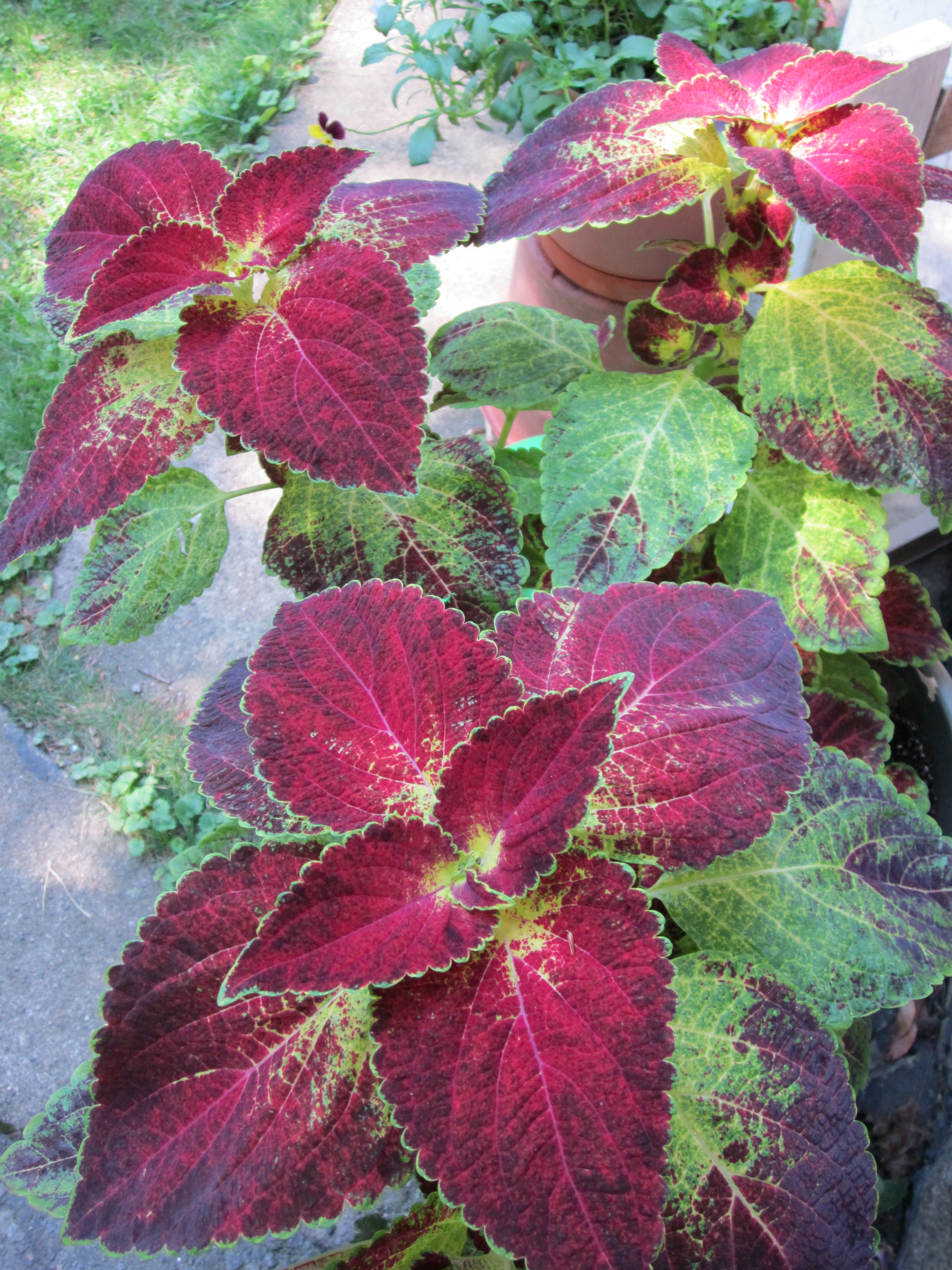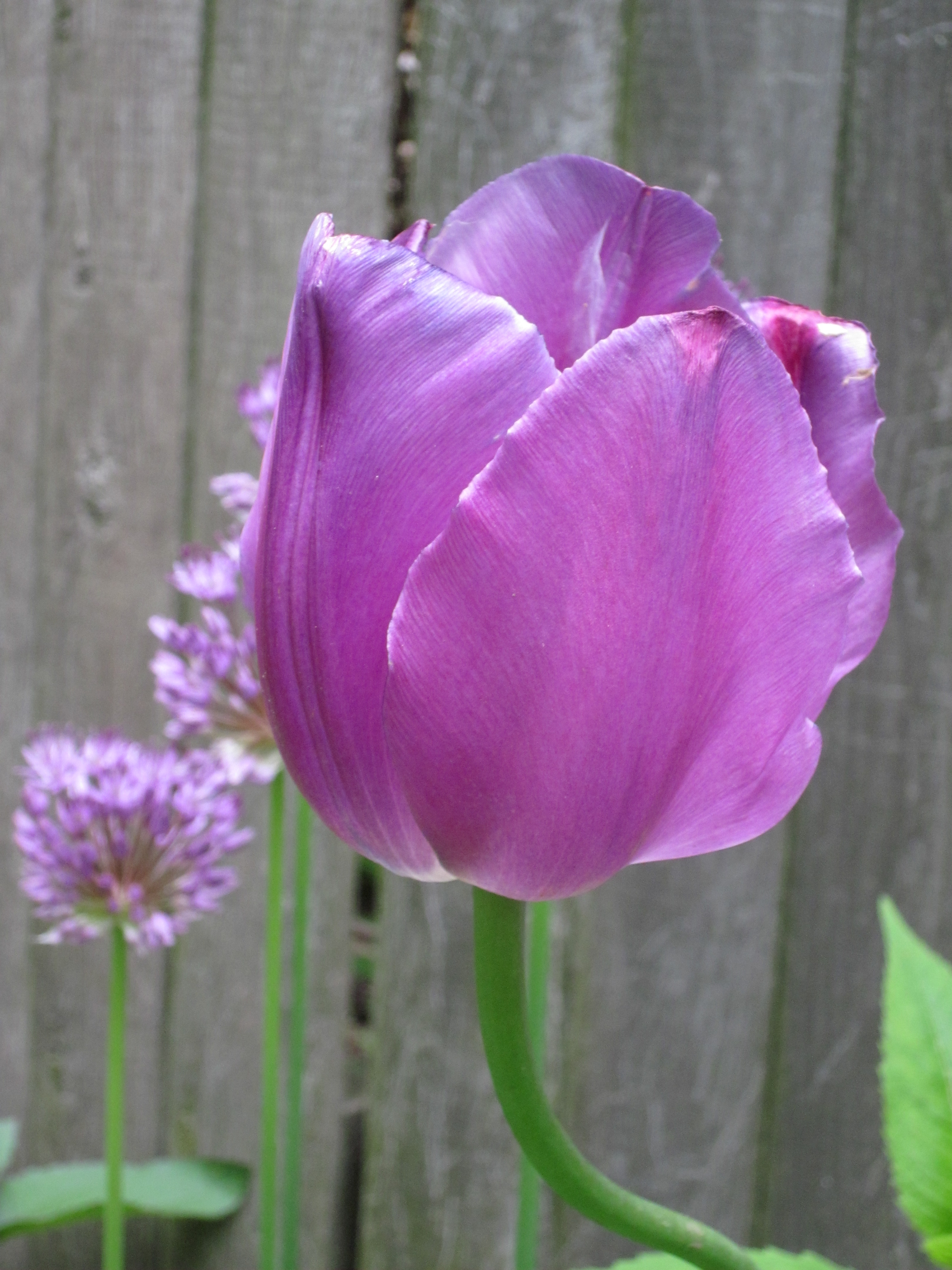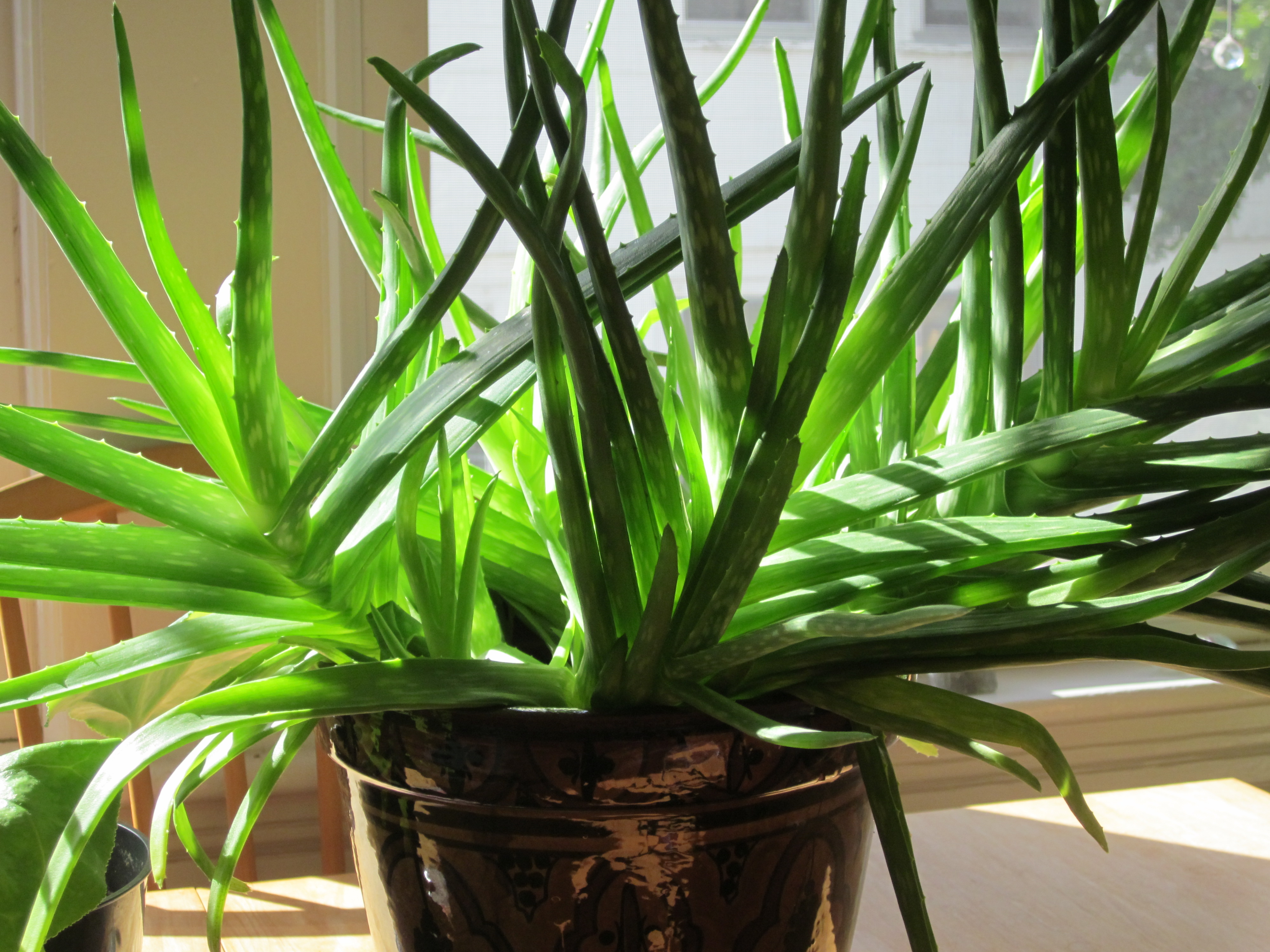
In Silence…

Photograph © 2014 Peggy Kornegger

We humans express our selves and our lives in words, language, and sound. It is a learned process, reinforced with every generation. We talk our way through each day, sometimes clamoring to be heard above the general din of daily life that seems to have increased over time. Not only human voices but cars, buses, planes, media, and machinery (leaf blowers, snow blowers, etc.) add to the mix that becomes the “noise” we have learned to acclimate ourselves to—more or less. But at what cost? Today, stillness and complete silence often seem like the dream of a long-gone world. Yet, it is only in silence that we can hear the voice of spirit within, our own soul’s wisdom and guidance. Without that compass, we flounder through our lives, stumbling along the ego’s path of alternating attachment and avoidance in relation to all things. We are never at peace, always running toward or away from something. Only in stillness and soul connection can we find respite from that hamster wheel of striving and suffering.

Silence has always been important to me. As an only child, I spent long hours outside quietly playing alone or reading books high up in the branches of my favorite climbing tree. School was a place for friends and social connections; home was where I decompressed and communed with my self, although I was too young to even articulate it that way. As an adult, I found work to also be a “social” experience; when I came home, I needed large expanses of quiet time alone to rebalance myself. At some point, I began to meditate to more easily access that inner harmony. Gradually, I discovered that the longer I spent in silence, the more peaceful I became—and the more I carried that inner peace with me everywhere I went in my life.

My partner and I recently made an agreement to remain silent each morning until we finish breakfast. We finally figured out—after more than 30 years together—that this is the most peaceful way to begin the day for each of us. We both feel less distracted and more centered. When I am talking, I am not listening, period—whether to the subtle sounds of nature outside the window at dawn or to my soul’s voice within. Once I spend time in that inner/outer silent space, I can truly listen to others, and to life, with presence and without restless distraction. My partner and I start our days in a much happier, more harmonious frame of mind because we have given ourselves this gift. Even in the frequently noisy external world we all inhabit, it is possible to find ways to bring more quiet, stillness, and calm to our lives—and thus to the lives of others. In silence is the deepest truth, the most profound peace.
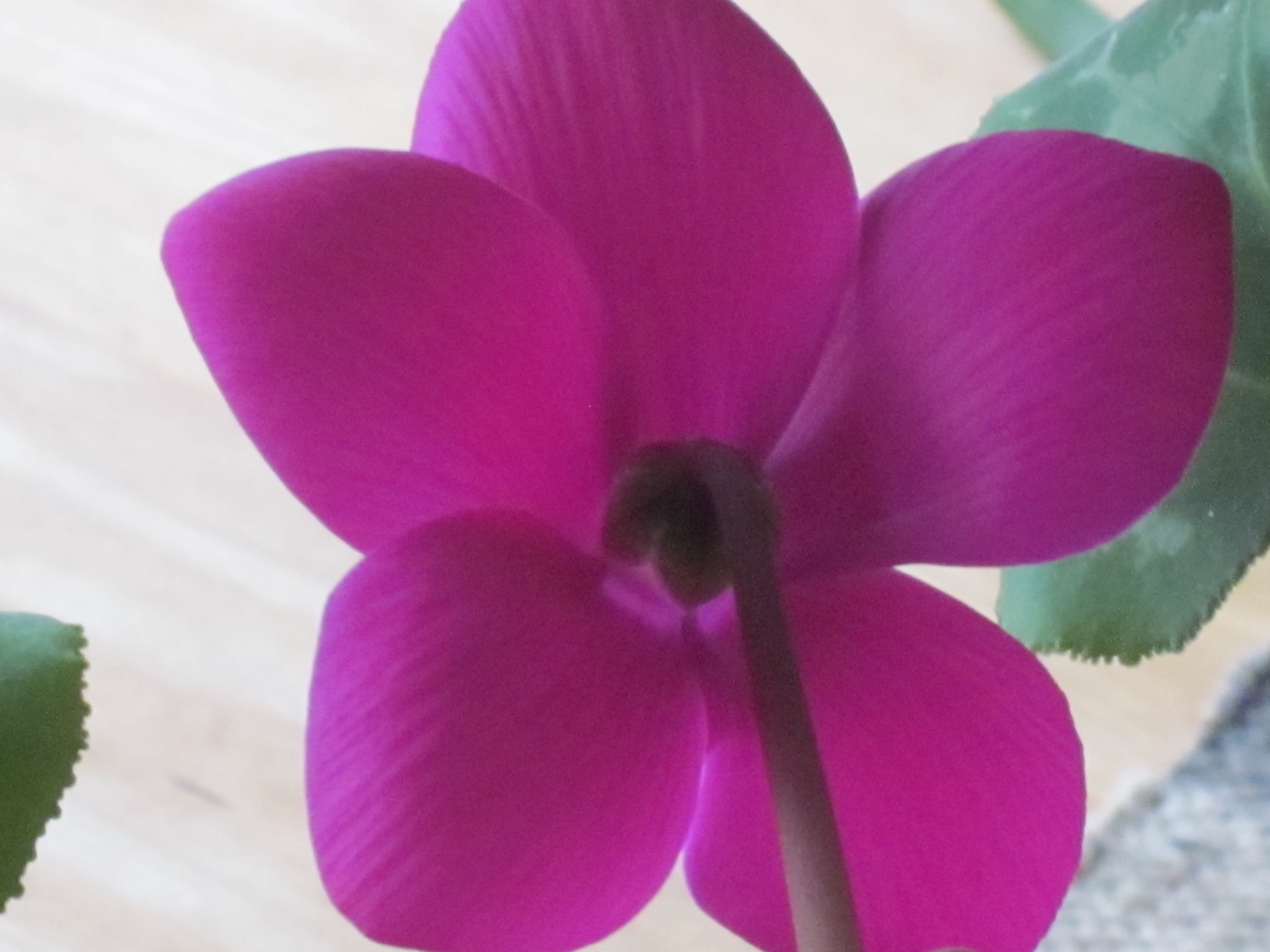

 

Racing Mind, Resting Heart

Photograph © 2015 Peggy Kornegger

So often in our busy lives, we are running from one activity to the next, checking off items on our to-do lists as we go. We can barely keep up with the thoughts that are racing through our overactive thinking minds. But those thoughts are endless; they will run our lives—literally—if we let them. The space that holds those thoughts, however, is open and nonattached (from a Buddhist perspective). If we allow these thoughts, and the inclination to fill our lives with constant busyness, to pass quietly through without grasping and holding them, we can access an entirely different way of being in the world. Spaciousness. Stillness. The resting heart.

The heart is the center of our feelings of love and peace. It also is connected to our soul, which is connected to Spirit. The soul is always at rest, always peaceful in its eternal divine presence within us. When the heart opens completely, the soul’s peace fills it, and it rests. When we drop down into the heart and allow ourselves to open to soulful connection, we too are at rest. The mind’s frantic, repetitive concerns fade to the background, and we can move through the day more peacefully, taking care of what needs to be taken care of but not spinning our mental wheels needlessly. The mind has an important function; it helps us to navigate the logistics of life. But its inclination to overdrive needs balancing by our softer, slower heart and soul.

Modern life, and its adjunct the racing mind, urges us to run. Our heart quietly suggests resting. “Here you will find peace, quiet, home,” it whispers. We can barely hear that whisper at times, but it is there. The key is to attune ourselves to the subtle voice of Spirit that lives within us. Therein lies the higher wisdom and the path to a balanced, fulfilled life—even in the midst of the external world’s frenetic, pressing concerns and demands. The inner voice is so much stronger, ultimately, than the outer shouting that tries to drown it out. It will carry you through life with your health and peaceful center intact. The resting heart soothes the racing mind and helps it to slow down and walk quietly.

Each day is an opportunity to balance head and heart in our lives. They both can live compatibly together if we remember to take a deep breath, pause, and let the mind take its cue from the heart. In my own life, my busy mind is gradually learning to rest in the spaciousness and peace of my heart. And it’s always the process of slowing down, relaxing, and breathing deeply that allows them to come into harmony. It becomes a real-world meditation that interrupts the nonstop frantic pace of daily life and brings me back to center.


Life’s Mystery

Photograph © 2014 Peggy Kornegger

Some Native Americans use the term “The Great Mystery” to refer to the concept of God or Source energy. It’s such a wonderful usage because within it, humans step back and allow the unknown to be just that—unknown. Many religions spell out the specific attributes of God, the heavenly realm, and its relation to living beings on Earth, including sets of rigid moral codes, laws, and commandments. How much more open-ended is the idea of a mystery that we will never understand with the human mind? Our hearts can experience God or the Divine, but we cannot solve the enigma of existence. Perhaps the greatest wisdom lies in acknowledging that and allowing the Mystery to live within and through us without trying to understand it.

To live in alignment with this mystery involves dissolving identification with thoughts and ideas; then awareness flows freely without conceptual distortion. Buddha mind. Baby mind. The innocent eye. At the beginning of life, we see the world this way—pure perception with no distorting language filters. Toward the end of our lives, words and memories may begin to fall away as we prepare to return to the oneness of pure divine consciousness, in which human language plays no part. In the middle years, we struggle to understand the seeming contradictions and unfairness of life—and the inevitability of death.

Not all of us are driven to figure out the meaning of life and death. I am one of those who has always tried to do so, from early childhood on. Only in recent years have I found my spiritual journey less burdened by inquiry and more open to possibility. This past summer, in particular, I began to let go into “not knowing.” This came out of a weeklong program with Panache Desai in which he challenged me to drop my questions and live from a place of experiencing instead of trying to understand everything. For someone who has perpetually had cosmic questions spinning around in her head, this was indeed difficult, even painful. Finally, though, in the weeks after the program, something in me opened to not knowing as the most peaceful way to go through my daily life. Basically, I surrendered to the Mystery.

I have surrendered in the past, of course, but there are layers to letting go, and humans are never finished with it. We have to keep being reminded, again and again: Relax your fingers; stop clutching. Relax the mind; stop questing. The wider, higher perspective opens up when we allow everything to unfold with awe and wonderment instead of “What’s going on? Why is this happening? How can I change it?” The “control” trap keeps us stuck on a hamster wheel of trying/failing/trying again. Ultimately, surrendering to mystery may be the wisest and least painful path to take in life. Human existence can be miraculous or a curse. We can suffer or we can celebrate. Celebration involves embracing everything, the sadness as well as the joy. We don’t know the meaning or the outcome, but we can fully experience every incredible moment of the journey.

Perfect Imperfections

Photograph © 2014 Peggy Kornegger

The idea of perfection is something we all carry around in our heads, applying it to ourselves, our loved ones, strangers, and to every experience in our day-to-day lives. We want to live up to a standard we have set for ourselves—or someone else has set for us. We want others to live up to that same standard, and even more important, we want life to live up to this standard as well. Whatever the standard of perfection is, it involves judgment—and almost inevitably failure, disappointment, frustration, anger. People or events let us down, we disappoint ourselves, and life becomes an experience of disillusionment rather than joy. We have not yet learned to embrace “what is” as the true perfection of life.

Every day in my backyard flower garden, I learn this lesson over and over again. Reluctantly, and sometimes with great frustration, I am forced to give up my mind’s idea of a perfect garden with every flower and leaf intact: no violet leaves ragged with rabbit bites, no hyacinths bitten off by woodchucks, no potted coleus uprooted by squirrels, no rose buds eaten by worms. Each morning is a practice in letting go into loving what is, in seeing the perfection in everything. I prune dead flowers and chewed leaves, remove worms and aphids, but I also stand back and gaze at the beauty of what continues to bloom and flourish. Nature includes all living things (yes, rabbits too), and my role as a gardener is to find a way to live in balance with that wholeness. The curves and jagged edges; the perfect symmetry of inclusiveness. And after an hour or two in the garden, I am always more at peace, more accepting of all of life because I am surrounded by such incredible beauty. Beauty that is constantly changing, just as life is. Nothing remains the same, and that is the miracle of being alive.

Photograph © 2012 Peggy Kornegger

If God or Source energy is in all things and everything I see is shining with that inner divinity, then “what’s not to love?” as the saying goes. Same with animals, same with people. When I judge myself or others against some mental standard of what I think I or they should live up to, I am not appreciating the absolutely perfect creation that we each are. If I stand in judgment of people, life’s events, or my own “failure” to be as enlightened as I think I should be, then I am missing the miraculously orchestrated unfolding of all things in the universe. Nothing is out of place, and everything is evolving and expanding into more. Flowers, animals, insects, and human beings are all playing their parts. So this is a gentle reminder to celebrate all of life’s perfect imperfections as you go through your day—in the garden, in your home, and out in the world. Heaven is all around you, and everyone you meet is an earth angel—absolutely perfect.

Simply Being

Photograph © 2011 Peggy Kornegger

As I meditate for longer and longer periods of time (1­–2 hours) at daybreak each morning, I am finding complexity and simplicity are merging into one flowing experience. Seems contradictory, I know, but only because of the constraints of language. Put another way, layer upon layer of awareness is opening up within me, yet all the layers are part of one whole, one seamless state of being. I’m discovering it is possible to feel inner peace at the same time that I’m feeling sadness or distraction. I am aware of silence at the heart of all sound, of light at the center of darkness. Beyond the illusion of separation, there is wholeness. Within complexity itself is infinite simplicity. Perhaps the best way to describe all of this is oneness, feeling one with everything, at times just resting without thought in simply being, in simply breathing.

Various spiritual traditions speak of such moments. The Sanskrit word samadhi refers to union or merging with God or the Divine, and the Hebrew word devekut describes intense melding or deep communion with God in prayer or meditation. Humans have tried with words to approximate an experience of Divine union or universal oneness that really defies description. Yet we try.

Because I am a writer, I have always felt a deep compelling urge to describe my own spiritual journeys. Yet, the deeper I dive, the harder it is to find the exact words to replicate what I am feeling. Indeed, during one of my deepest inner experiences of infinity (in a session with Panache Desai), I completely lost the desire to write or describe at all. For several hours, I remained in a state of infinite peace. My journal lay untouched nearby. Lately, as I spend longer periods of time in meditation, this same experience is recurring. Words are unnecessary within pure being, the soul silently witnessing. Language arises from thought, and when thoughts float by without attachment or disappear, there is no need to speak or write. Only, later, as I come to the surface from these depths, do I reach for my pen.

This is not to say that the goal of life is to give up speaking or writing. I guess that what I am getting at here is that the experience of peaceful oneness without words changes you. I perceive the world a little differently. The need for constant intervention and effort diminishes. Events seem to flow of their own accord without my monitoring them. There is a recognition of a higher intelligence at work, an intricate tapestry of which I am but one fiber. And my purpose, as that fiber, is to simply be myself, not orchestrate the entire universe. There is a humility in this, a letting go. It doesn’t mean lack of doing; it means doing that arises from being—a softer, less frenetic approach to life. When I write, the words flow from my soul more than my mind.

Am I in this space all the time? No, of course not. I am human. My mind gets busy, and I start to make lists, feel rushed, etc. But those experiences are becoming more transitory, less all-consuming. My soul self knows better, and that connection grows ever stronger. All of us have that connection, and we are gradually learning its importance. There truly is an inner core of peace. When we open to that peace, one breath at a time, it simplifies everything.